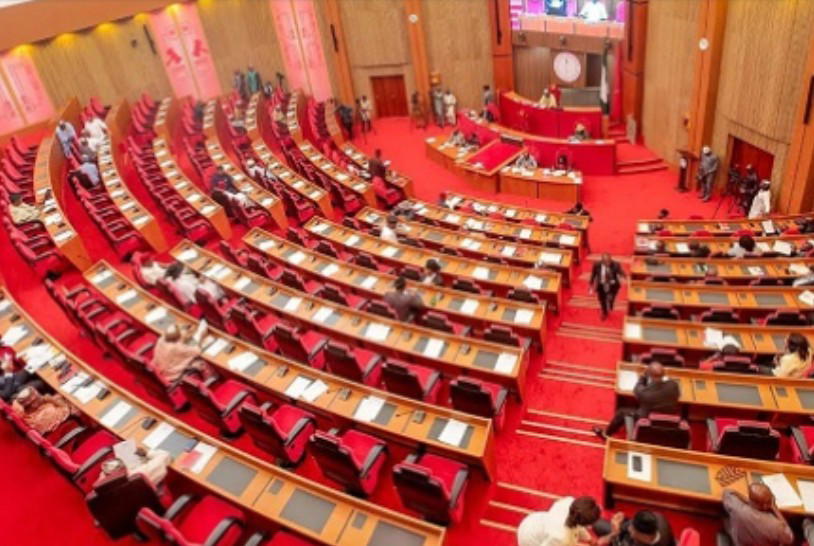
The Nigerian Senate's recent push against the controversial rehabilitation of so-called repentant Boko Haram fighters marks a significant shift in policy discussions surrounding national security. This initiative comes in response to growing public discontent over the government’s approach, which many perceive as unjust and counterproductive. Critics argue that integrating former terrorists into society without adequate accountability undermines the sacrifices made by victims and security forces.
Senator Ahmed Lawan, the Senate President, stated, "We must prioritize the safety and sentiments of our citizens over misguided attempts at reconciliation." This sentiment echoes the concerns of numerous stakeholders who believe that fostering a sense of justice is crucial for rebuilding trust within affected communities. The Senate's stance suggests a potential reevaluation of the current framework, aiming for a more balanced approach that considers both rehabilitation and accountability.
As Nigeria grapples with the long-term implications of terrorism, this pivotal moment may lead to stricter policies that uphold justice while addressing the root causes of insurgency. The challenge will be to formulate a strategy that effectively deters future violence while fostering genuine peace and reconciliation.