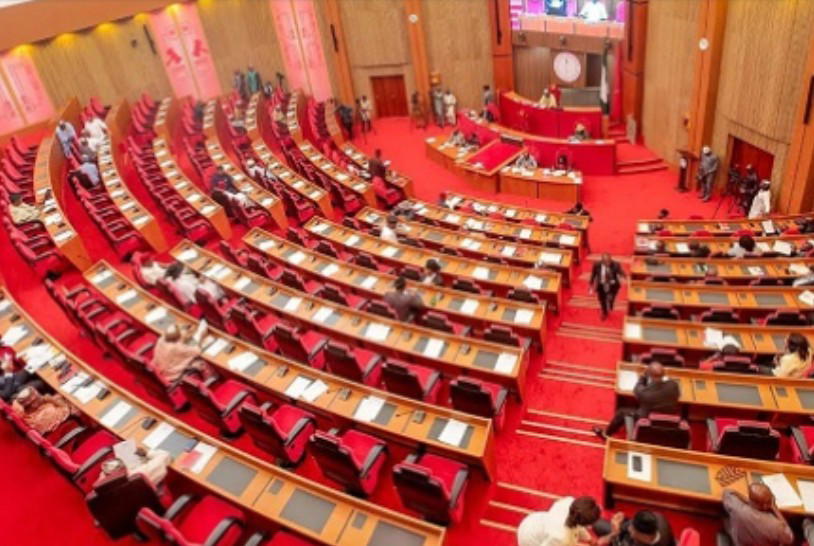
The Nigerian Senate's investigation into ₦34 trillion in import duty waivers underscores a critical moment in fiscal accountability and governance. This probe was sparked by alarming reports of unremitted revenues from various Ministries, Departments, and Agencies (MDAs), with the Corporate Affairs Commission admitting a staggering ₦13.9 billion in operating surplus left unaccounted for. The Senate has demanded the Nigeria Customs Service to submit updated audited accounts within a week, indicating a serious commitment to transparency.
Senate President Godswill Akpabio emphasized, “We will not hesitate to impose sanctions on defaulting MDAs if they fail to comply with our directives.” This statement reflects the legislative body’s growing impatience with systemic inefficiencies and a determination to hold agencies accountable for financial oversight.
As the Senate tightens its grip on revenue collection and compliance, it sets a precedent that could significantly reshape the landscape of public finance in Nigeria. The implications of this inquiry may extend beyond mere sanctions, potentially fostering a culture of accountability that could restore public trust in government institutions. Stakeholders will be watching closely as the Senate’s actions unfold in the coming weeks.