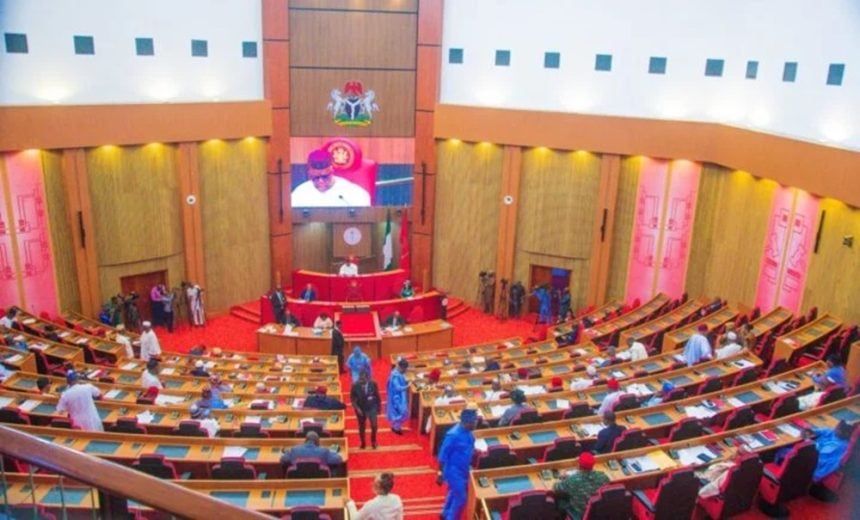
In a transformative move for Nigeria's security framework, the Senate has passed the State Police Bill, enabling the creation of state police forces across all 36 states. This constitutional amendment marks a significant shift from the long-standing centralization of policing under federal control, reflecting growing concerns over local security challenges and calls for more accountable law enforcement.
The bill's passage follows years of debate surrounding the effectiveness of federal police in addressing region-specific crime and unrest. Advocates argue that state police will enhance responsiveness to local issues, while critics express concerns about potential abuse of power and politicization. Senator Ifeanyi Ubah, a vocal supporter of the bill, stated, "This is a victory for democracy and local governance, empowering states to take charge of their security."
Looking ahead, the establishment of state police could reshape the dynamics of governance and public safety in Nigeria. However, the success of this initiative will depend on adequate funding, training, and oversight mechanisms to ensure that these forces operate effectively and ethically, ultimately fostering a safer environment for citizens.

