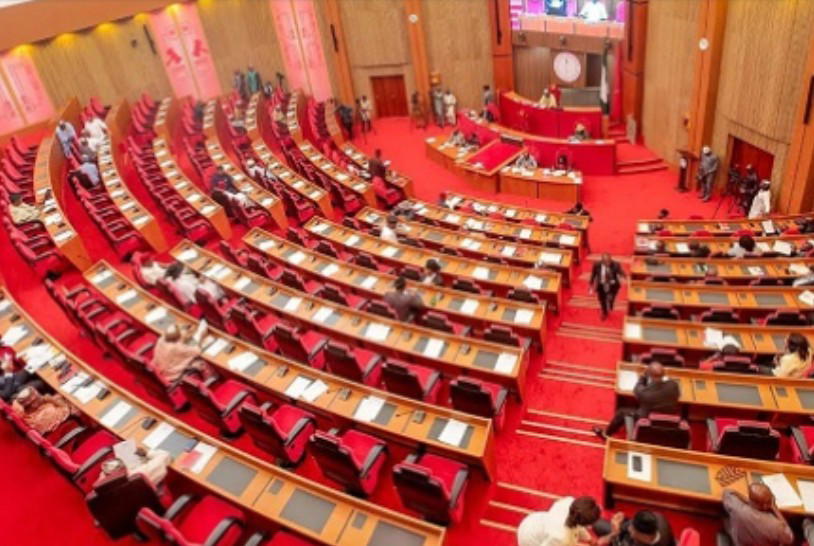
The recent passage of the Factoring, Assignments and Receivables Financing Bill by the Senate marks a significant step towards empowering Micro, Small and Medium Enterprises (MSMEs) in Nigeria. This legislation aims to enhance access to finance, addressing the persistent liquidity challenges that these businesses face. By facilitating factoring as a financial tool, the Bill allows MSMEs to convert their receivables into immediate cash, thus fostering growth and sustainability.
Senator Henry Umoru, a vocal advocate for the Bill, stated, “This legislation will bridge the financing gap for MSMEs, which are vital for economic growth and job creation.” The urgency of this move is underscored by the realization that MSMEs represent a substantial portion of Nigeria’s economy yet often struggle to secure traditional funding.
As the Bill awaits presidential assent, stakeholders are hopeful that its implementation will ignite a new wave of entrepreneurial activity and innovation across the country. With improved financial mechanisms in place, Nigeria's MSMEs could play a pivotal role in driving economic recovery and resilience in the post-pandemic landscape.
