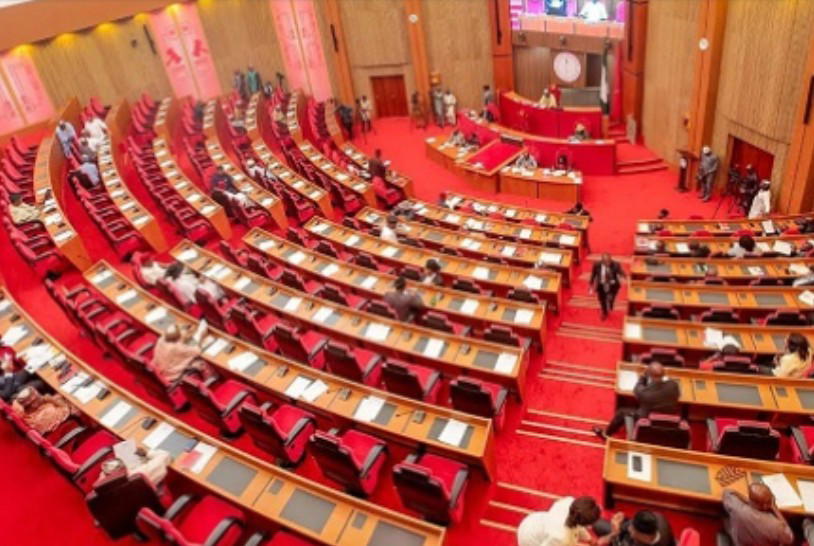
In a significant move toward public health reform, the Nigerian Senate has passed a bill to establish the National Agency for Malaria Elimination. This legislative action comes as part of a broader strategy to tackle the pervasive malaria crisis, which continues to claim thousands of lives annually, particularly among vulnerable populations.
The agency aims to streamline efforts against malaria, coordinating national response initiatives and enhancing research and resource allocation. The bill, which also includes provisions for public education and prevention strategies, reflects a growing recognition of malaria's socio-economic impacts. Senator Aisha Abubakar emphasized the urgency of the initiative, stating, "This agency will not only save lives but also enhance productivity in our communities."
As Nigeria grapples with a high malaria burden, the establishment of this agency could mark a pivotal shift in the country’s health landscape. Experts suggest that effective implementation will require collaboration with international health organizations and sustained funding. The success of this agency will ultimately depend on the commitment of both government and civil society to prioritize malaria elimination as a national health agenda.

