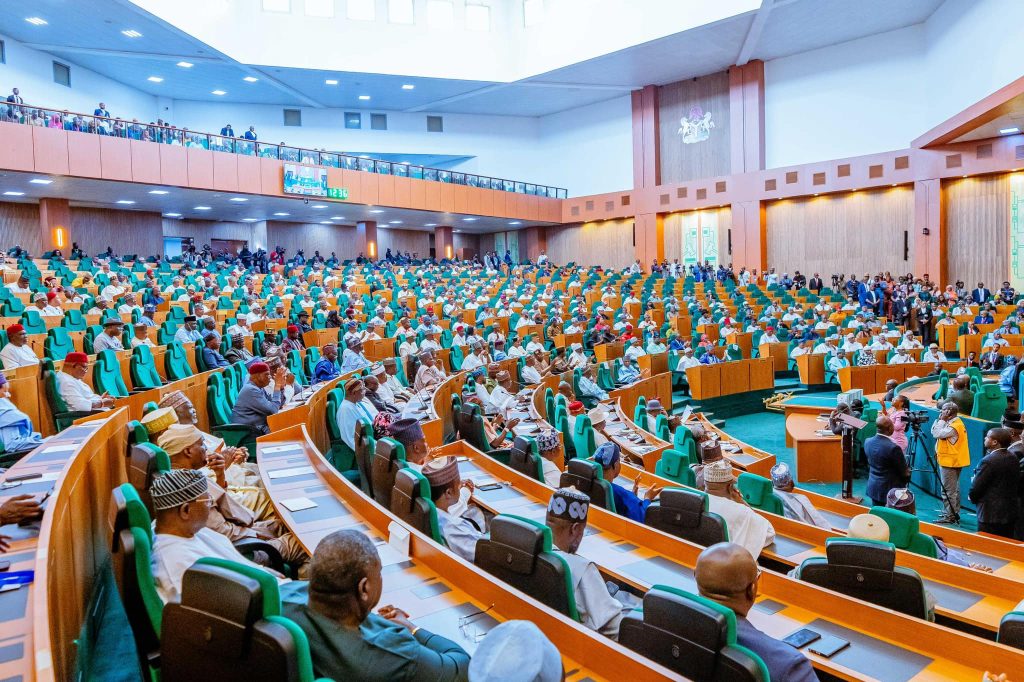
On July 8, 2026, the Nigerian Senate took a significant step towards modernizing its healthcare system by passing a bill for a second reading that aims to establish a legal framework for digital healthcare. This initiative is designed to enhance access to medical services and improve operational efficiency in a sector plagued by challenges, including inadequate infrastructure and limited reach.
The proposed legislation seeks to integrate technology into healthcare delivery, addressing long-standing issues such as patient data management and remote consultations. Senator Ifeanyi Ubah, a key proponent of the bill, stated, "This digital transformation is not just a necessity; it's a lifeline for millions who struggle to access basic healthcare services." His remarks underscore the urgency of adapting to a rapidly evolving global health landscape.
As the bill moves forward, it has the potential to revolutionize healthcare in Nigeria by promoting equitable access and streamlined services. However, its success will hinge on effective implementation and the government's commitment to invest in the necessary technological infrastructure. The next steps in this legislative process will be critical in determining the future of healthcare in Nigeria.