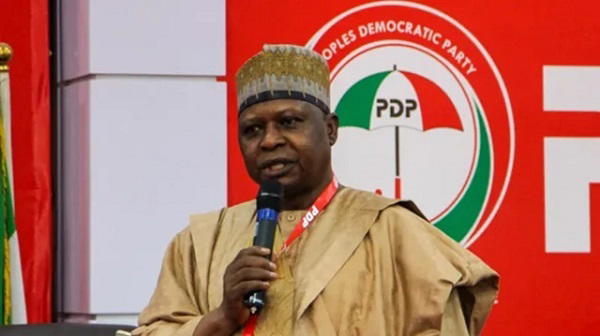
The Senate's recent confirmation of Fasina as a non-career ambassador has ignited considerable debate, particularly in light of prior unsubstantiated allegations against him. This decision, made on July 16, 2026, comes after thorough investigations deemed the accusations unfounded, allowing Fasina to step into his new role amid significant opposition from various quarters.
Critics, including Senator Maria Okoro, expressed concern over appointing someone with a controversial past. "While the Senate has cleared him, the public's trust is paramount. We must ensure our representatives embody integrity," she stated. The opposition's apprehension reflects a broader sentiment regarding transparency and accountability in government appointments, particularly in diplomatic positions.
As Fasina prepares to assume his duties, the implications of this confirmation extend beyond personal reputation. It signals a potential shift in how the government approaches appointments amid rising scrutiny from civil society. The administration's confidence in Fasina may bolster its stance on meritocracy, but it also raises questions about the future of public trust in political processes. The coming months will reveal whether this decision enhances or undermines the government's credibility on the international stage.