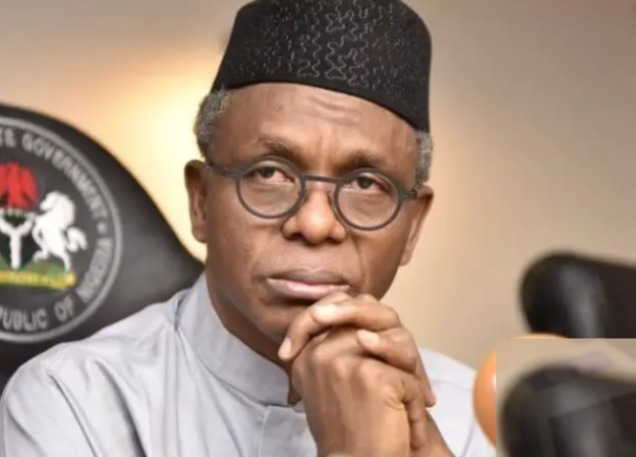
The recent controversies surrounding Saleh Mamman and Chukwunyere Anamekwe Nwabuoku have reignited discussions about accountability in Nigerian politics. Mamman, once celebrated for his ministerial role, has faced allegations of financial impropriety, reminiscent of Nwabuoku's earlier scandals that plagued his tenure. Both figures embody a troubling trend where political leadership is marred by questionable financial practices.
Mamman, who previously held the position of Minister of Power, has been criticized for mismanagement and lack of transparency in government projects. Stakeholders like civil rights advocate Aisha Bello argue, “We need leaders who prioritize the welfare of the people over personal gain.” This sentiment reflects a growing disillusionment among citizens who demand integrity from their elected officials.
As Nigeria grapples with its political landscape, these incidents underscore the urgent need for reform. The public's growing frustration could catalyze calls for stricter oversight and accountability measures. If these issues are not addressed, the cycle of corruption may continue, further eroding trust in governmental institutions and hindering national progress. The coming months will be crucial in determining whether genuine change can emerge from this turmoil.