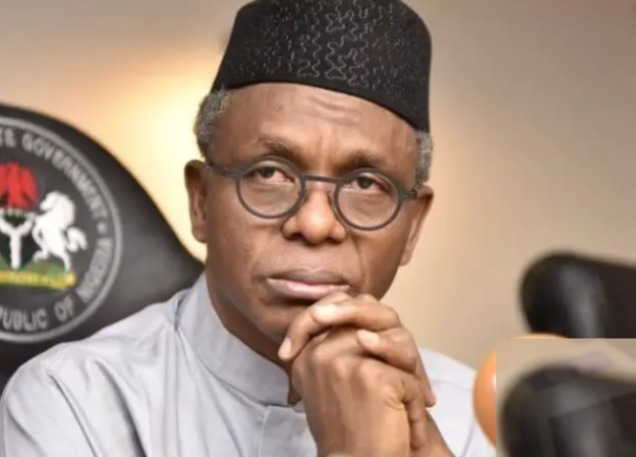
The recent declaration of Sadiya Umar Farouq, the former minister of humanitarian affairs, as wanted by the Economic and Financial Crimes Commission (EFCC) underscores the ongoing struggle against corruption in Nigeria's political landscape. Allegations of financial misconduct during her tenure have surfaced, raising questions about accountability in government.
Farouq's case is part of a broader effort by the EFCC to address rampant corruption, particularly among high-ranking officials. This move follows a series of investigations into the handling of humanitarian funds, a critical area given Nigeria’s pressing need for effective disaster response and social support systems. Stakeholders are closely watching, with one observer noting, “It is vital that all public officials are held accountable to restore trust in governance,” said Dr. Amina Abubakar, a political analyst.
As the EFCC ramps up its activities, this situation may signal a more aggressive approach towards combating corruption. The outcome of Farouq’s case could set important precedents for future governance, potentially influencing public perceptions and the political landscape ahead of upcoming elections.