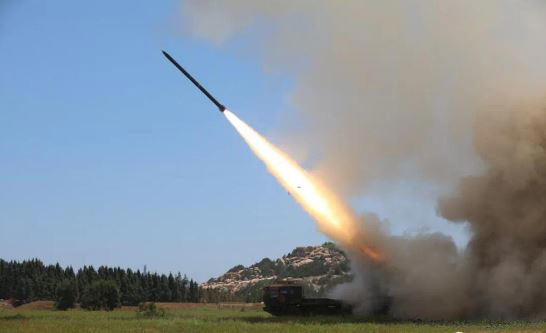
Russia’s recent test of a long-range missile capable of carrying nuclear warheads marks a significant escalation in global military tensions, occurring just months after the expiration of a key arms control treaty with the United States. This test underscores the deteriorating relationship between the two nuclear powers and raises questions about the future of strategic stability.
The missile test is part of Russia's broader military strategy, which has intensified amid geopolitical conflicts. The New START treaty, which limited the number of deployed nuclear weapons, expired without renewal, leaving both nations to expand their arsenals without oversight. U.S. officials have expressed concern, with Secretary of State Antony Blinken stating, “This test is a reminder of the urgent need for renewed dialogue to prevent an arms race.”
As the global community grapples with these developments, the focus shifts toward potential diplomatic engagements. With both nations seemingly poised for an arms buildup, the international landscape could face increased volatility if dialogue is not prioritized. The coming months will be crucial in determining whether a new framework for nuclear arms control can be established, or if we are on the brink of a renewed arms race.