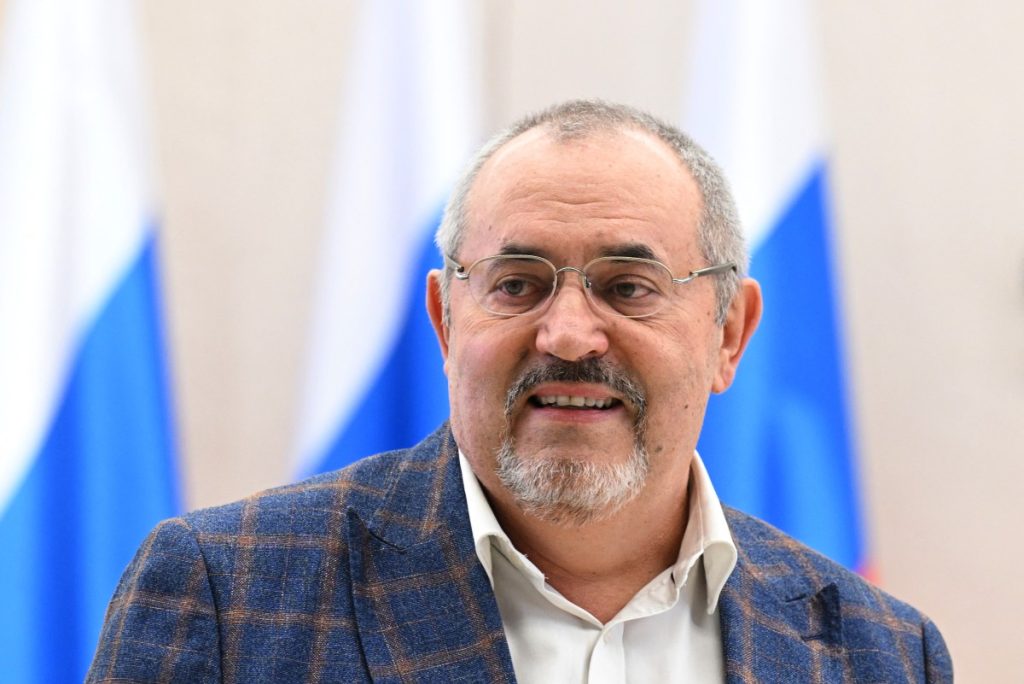
The arrest of prominent Russian opposition figure Boris Nadezhdin, just three days after being labeled a "foreign agent," underscores the Kremlin's intensified efforts to suppress dissent ahead of the September elections. Nadezhdin, who has openly criticized President Putin and planned to run for a parliamentary seat, becomes yet another victim of the government's crackdown on political opposition.
The designation of "foreign agent" is often used by the Kremlin to discredit and marginalize critics, effectively silencing voices advocating for democratic reforms. This move signals a chilling environment for candidates who oppose Putin's regime, with many fearing that their political ambitions could lead to similar repercussions. Nadezhdin's arrest raises alarms not just for individual freedoms but also for the integrity of the upcoming elections.
As noted by Alexei Navalny, a key opposition leader, "The Kremlin is using arrests and intimidation to ensure that any challenge to Putin is eliminated." Looking ahead, the political landscape in Russia appears increasingly precarious, with the potential for widespread public disillusionment as opposition figures face escalating threats. This situation may prompt a reevaluation of strategies among dissenters as they navigate a hostile political climate.