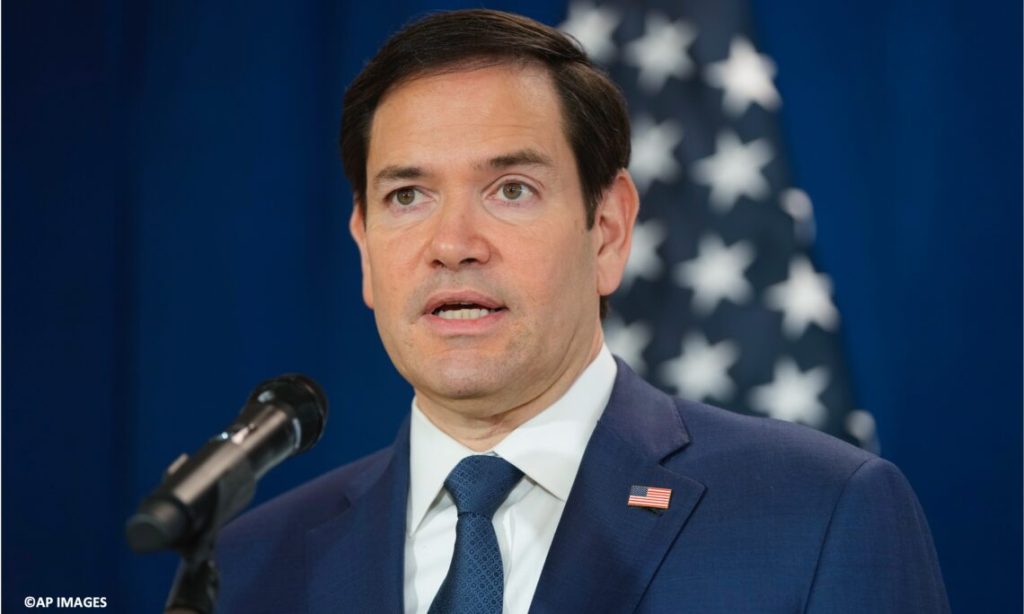
Cuba's ongoing economic crisis has reached a breaking point, with recent energy shortages plunging 65 percent of the nation into darkness. The dire situation has prompted U.S. Senator Marco Rubio to call for a change in leadership, asserting that "the Cuban regime's failure to provide basic services is unacceptable." Amid this turmoil, the U.S. government is considering a $100 million aid package aimed at supporting democratic movements in the island nation.
Historically, Cuba's economic struggles have been exacerbated by decades of U.S. sanctions and internal mismanagement. The current energy crisis has led to widespread discontent among citizens, with many taking to the streets to protest against the ruling government. Rubio's remarks signal a potential shift in U.S. policy, focusing on empowering opposition groups in hopes of fostering a democratic transition.
As the situation evolves, the international community will be watching closely. The proposed aid could provide crucial support for dissidents, but it may also provoke further crackdowns by the Cuban government. The outcome will depend on how effectively the U.S. navigates these complex dynamics while promoting human rights and stability in the region.