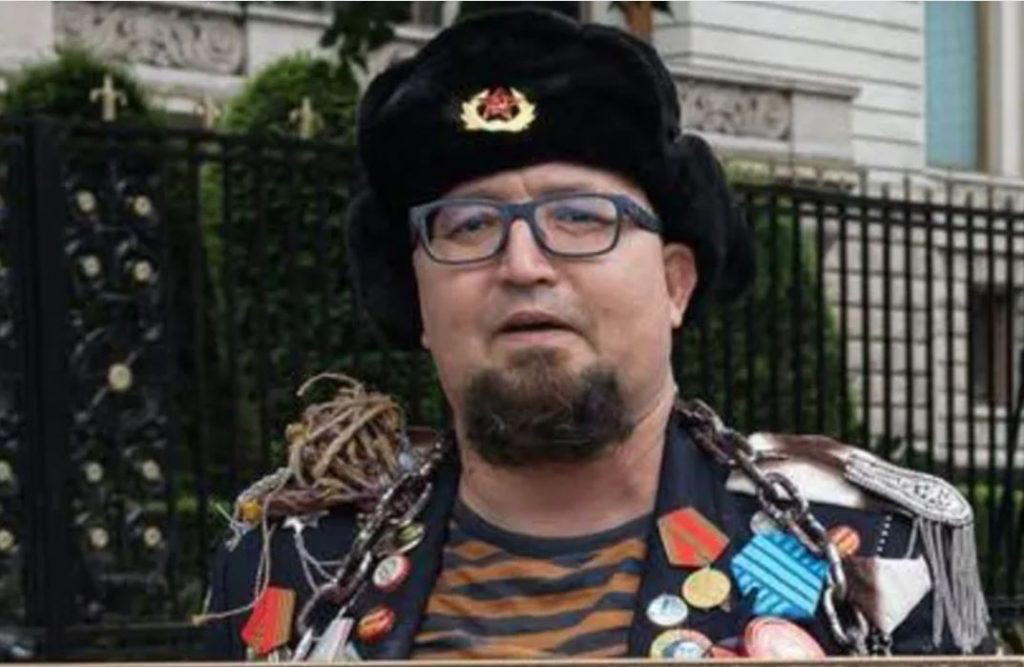
The assassination of Robert Kuzovkov, a prominent Russian artist known for his outspoken criticism of President Vladimir Putin, has sent shockwaves through both the artistic community and geopolitical circles. Kuzovkov was shot in Poland, a country that has become a refuge for many Russian dissidents since the onset of the Ukraine conflict. Eyewitnesses reported that the assailant shot him twice at close range, underscoring the brazen nature of the attack.
Kuzovkov's work often highlighted the oppressive measures of the Russian regime, making him a target for those who view dissent as a threat. Local authorities in Poland have launched an investigation, but questions linger about potential ties to Russian state-sponsored operatives. "This act of violence is an attack not just on an individual but on freedom of expression," said Anna Rybak, a human rights advocate.
As the international community grapples with the implications of this assassination, it raises urgent questions about the safety of dissidents abroad and the lengths to which authoritarian regimes may go to silence their critics. The response from Poland and other nations will be crucial in determining the future landscape for those who dare to speak out against oppressive regimes.