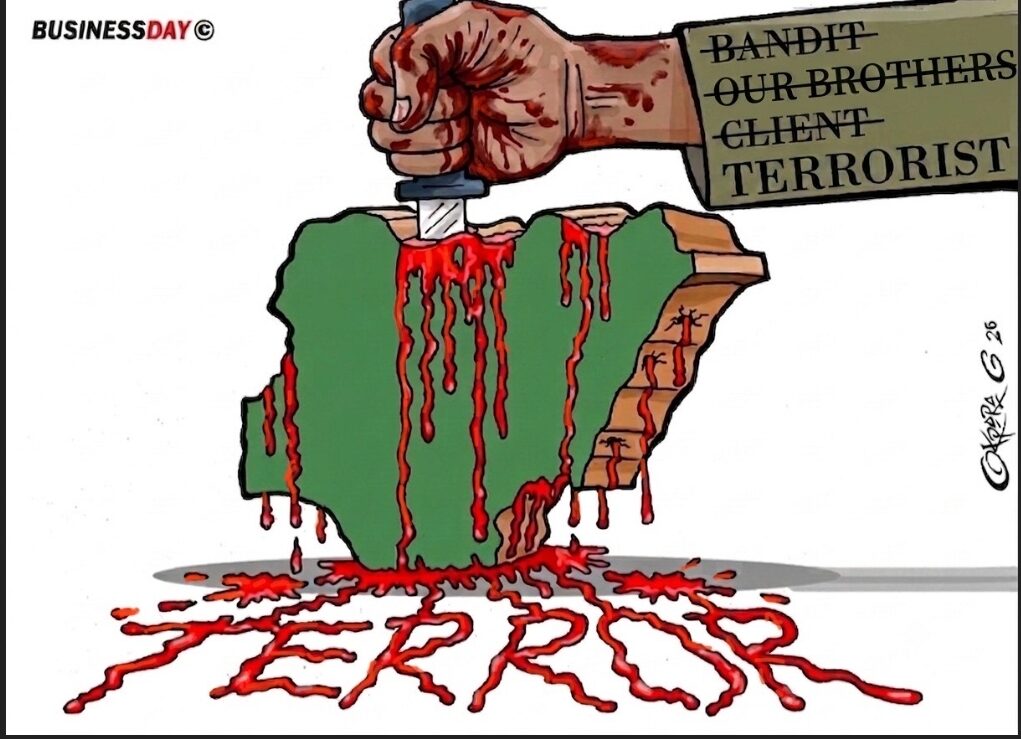
As Nigeria approaches its 2027 general elections, a surge in insecurity threatens to destabilize the electoral process. With less than seven months to go, the country is grappling with escalating violence from various armed groups, including Boko Haram, bandits, and separatist factions. This multifaceted security crisis poses a significant challenge to the government’s ability to ensure a free and fair election.
Recent attacks in several states have raised alarm among citizens and political leaders alike. "If the security situation does not improve, many Nigerians will be afraid to vote, undermining the legitimacy of the elections," warns Ibrahim Mohammed, a political analyst. The government’s failure to address these security concerns effectively could lead to disenfranchisement and civil unrest.
As political campaigns intensify, stakeholders must prioritize security measures to restore public confidence. The upcoming elections will not only test Nigeria's democratic resilience but also its capacity to confront and mitigate insecurity. Ensuring a safe environment for voters is crucial for the nation’s stability and future governance. The next few months will be pivotal in determining whether Nigeria can navigate this turbulent landscape without jeopardizing its democratic integrity.