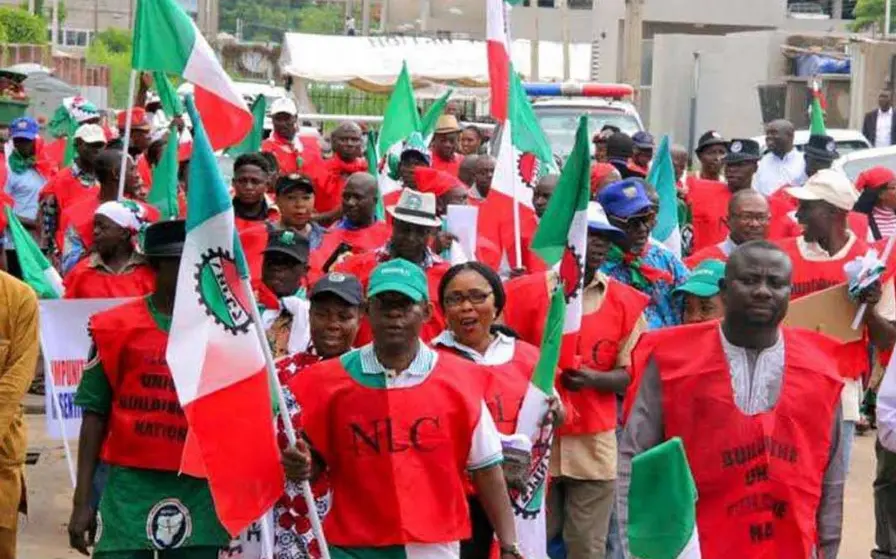
The affirmation of workers' right to strike by the International Court of Justice (ICJ) has ignited a fierce debate between labor unions and employers in Africa. This ruling underscores the growing tension in industrial relations, as both sides grapple with its implications for economic stability and worker rights.
Historically, strikes have been a critical tool for workers seeking fair wages and improved conditions. However, employers argue that unrestricted strike actions can undermine productivity and economic growth. "We understand the need for dialogue, but a blanket right to strike can cripple our businesses and the economy," said Amina Khaliq, President of the Employers’ Federation. This sentiment reflects a broader concern among employers about balancing workers' rights with organizational sustainability.
As the debate intensifies, stakeholders must find common ground to ensure both economic resilience and the protection of workers’ rights. The ICJ’s ruling could serve as a catalyst for more structured negotiations, fostering a collaborative approach to labor relations in the coming years. Ultimately, how this conflict is resolved will significantly impact the future landscape of labor rights and economic development across the continent.