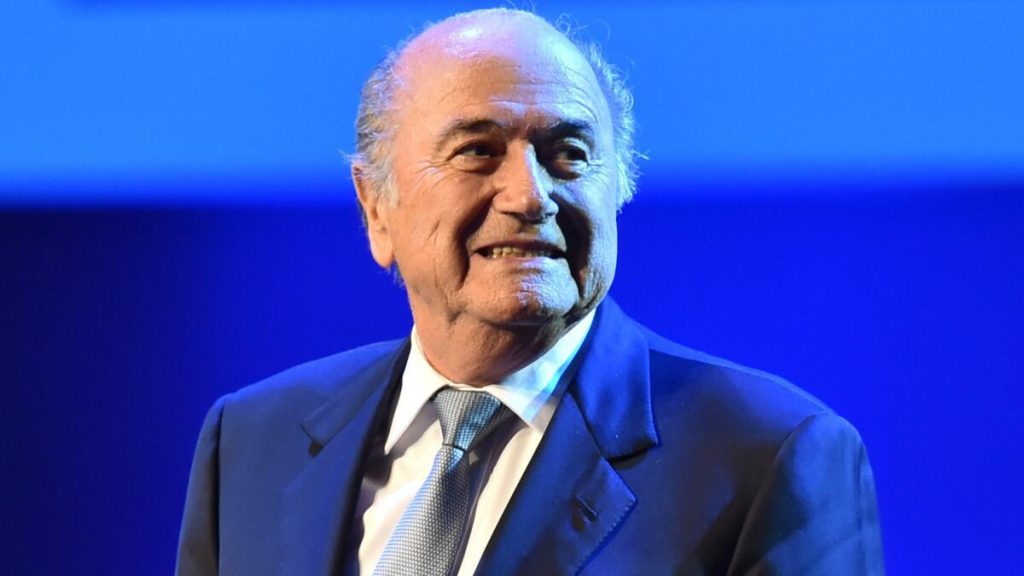
The 2026 FIFA World Cup concluded with the expected champions, yet former FIFA president Sepp Blatter critiques the tournament’s integrity. In a recent statement, Blatter emphasized, "The right champions, but 2026 World Cup lost credibility." His remarks reflect a broader disillusionment surrounding the event, which was marred by controversies over host selections, governance issues, and allegations of corruption.
This World Cup, co-hosted by the United States, Canada, and Mexico, aimed to celebrate soccer's global appeal. However, the lead-up was fraught with concerns about transparency in FIFA's decision-making processes and the management of resources. Critics have pointed to these issues as detrimental to the tournament's reputation, overshadowing the athletic achievements on display.
As the dust settles, the implications of Blatter's comments resonate beyond this event. They highlight the urgent need for reform within FIFA to restore public trust. The future of international football governance hangs in the balance, as stakeholders must grapple with the challenges of ensuring fairness and integrity in the sport. The 2026 World Cup may have crowned champions, but its legacy could be one of caution and reform for years to come.