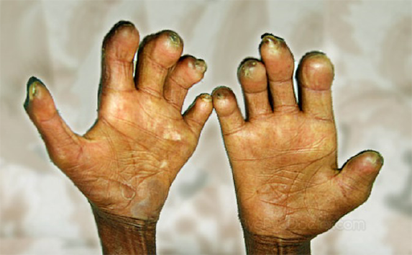
The revival of leprosy care in Nigeria is urgently needed, particularly as Uzuakoli Leprosy Colony, once a beacon of hope, now stands as a testament to neglect. Established in 1931, this center thrived with over 800 residents by 1936, becoming a leading facility in Africa. However, decades of mismanagement and stigma have led to its decline, mirroring broader issues in Nigeria’s healthcare system.
Recent efforts to rejuvenate Uzuakoli have gained momentum, driven by a coalition of health workers and non-governmental organizations. Dr. Chika Okafor, a prominent health advocate, stated, "Restoring Uzuakoli is not just about treating leprosy; it symbolizes our commitment to dignity and health for all marginalized communities." This renewed focus aligns with Nigeria's broader health reforms aimed at combating infectious diseases and improving healthcare access.
Looking ahead, the challenge remains not only to revitalize Uzuakoli but to dismantle the stigma surrounding leprosy. With continued investment and community engagement, there is a potential path forward that could transform the treatment landscape for this neglected disease, ensuring that history does not repeat itself.
