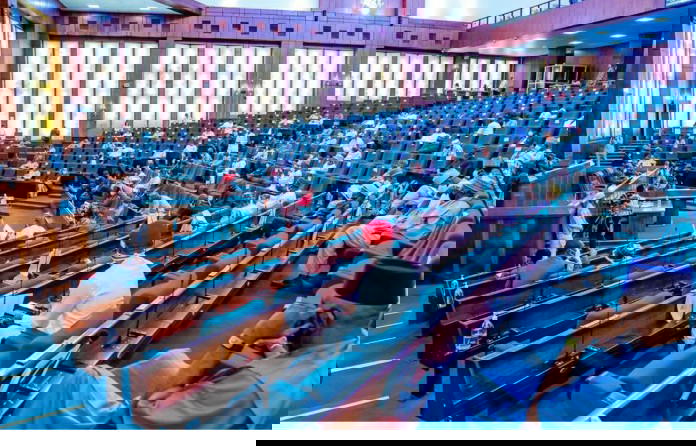
In a significant legislative move, Nigeria's House of Representatives has amended the Electoral Act to permit electronic service of court processes, reflecting a modernization of the country’s electoral framework. This decision, finalized during a Committee of the Whole session led by Deputy Speaker Benjamin Kalu, is indicative of a broader trend toward digitization in governance.
The amendment aims to streamline legal procedures associated with electoral disputes, enhancing efficiency and accessibility for stakeholders. “This is a crucial step toward ensuring that our electoral processes are not only transparent but also in line with modern technological advancements,” Kalu stated. The change comes amid growing concerns over the delays and inefficiencies often associated with traditional methods of serving court documents.
As Nigeria approaches future elections, this amendment may play a pivotal role in fostering a more responsive judicial system. It also raises expectations for further reforms aimed at improving electoral integrity and public trust in the electoral process. With technology increasingly shaping governance, the implications of this amendment could resonate well beyond the electoral sphere, potentially influencing broader judicial practices in Nigeria.