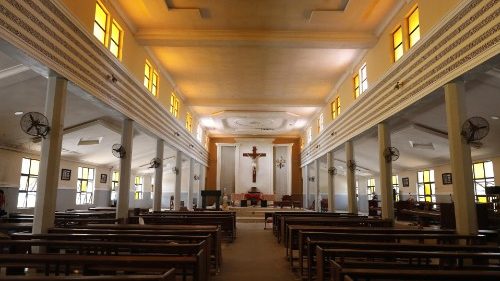
In Nigeria, the complex interplay of religion and politics continues to shape societal dynamics, particularly during President Bola Tinubu's administration. While his first three years have not yielded significant economic improvements, they have offered a semblance of religious coexistence, a vital component in a nation often fraught with sectarian tensions. The government's efforts to promote dialogue and understanding among diverse faith groups have been crucial in maintaining this fragile peace.
However, the underlying issues remain unresolved. Ethnic and religious divisions continue to simmer, raising concerns about the sustainability of this harmony. As Bishop Matthew Kukah of Sokoto noted, “True peace is built on justice, equity, and understanding, not mere coexistence.” This statement underscores the need for deeper engagement to address grievances that could threaten stability.
Looking ahead, the challenge for President Tinubu lies in translating goodwill into tangible policies that foster inclusivity and tackle the root causes of conflict. As Nigeria navigates these uneasy times, a commitment to genuine dialogue and reform will be essential in preserving the delicate balance of religious harmony and ensuring a more prosperous future for all citizens.


