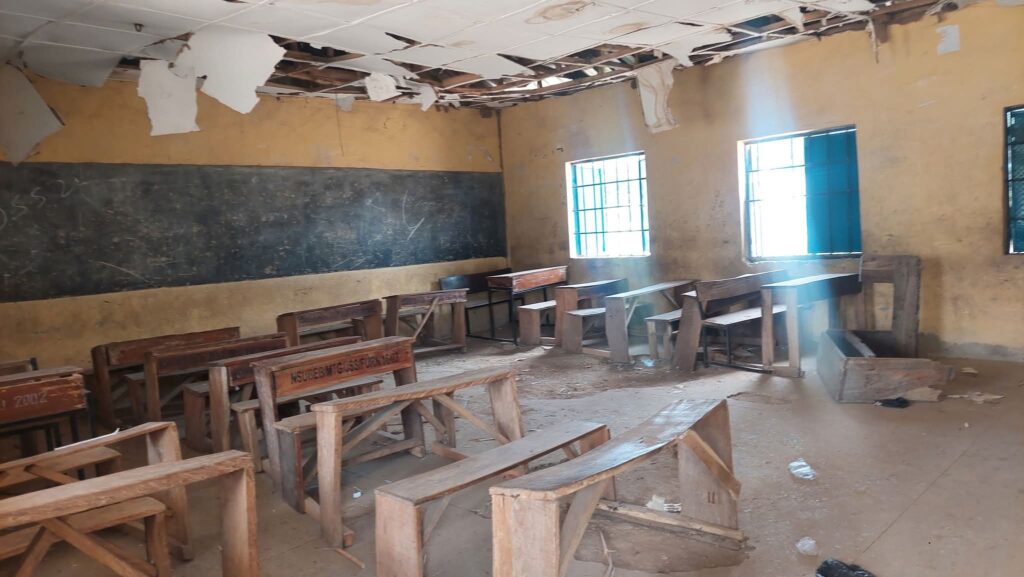
Nigeria's educational landscape is at a critical juncture, as stakeholders push for reforms that extend beyond mere access to quality basic education. Despite increased enrollment rates, the quality of education remains alarmingly low, with many students lacking fundamental literacy and numeracy skills. The recent report by the National Bureau of Statistics highlights that over 10 million children are out of school, with millions more receiving subpar education.
In response, experts like Dr. Chika Okafor, an education policy analyst, emphasize the need for a holistic approach: "We must prioritize not just access, but the actual learning outcomes that prepare our children for the future." This sentiment reflects a growing consensus that simply building more schools is insufficient; a comprehensive curriculum that includes vocational training and digital skills is essential.
As Nigeria grapples with these challenges, the focus will need to shift towards innovative educational models that incorporate community involvement, technology, and teacher training. A commitment to this reimagined framework could empower the next generation, facilitating sustainable economic growth and breaking the cycle of poverty. The future of Nigeria hinges on this transformative vision for basic education.

