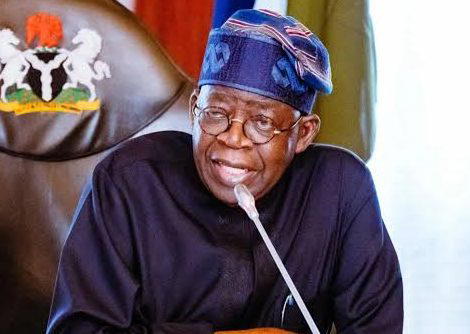
In the face of mounting economic challenges, President Bola Tinubu's recent remarks underscore a strategic pivot in Nigeria’s approach to fiscal reforms. Speaking on June 12, 2026, Tinubu emphasized that the reforms were born out of necessity, aimed at restoring stability and fiscal discipline, rather than merely easing economic conditions. This shift comes as Nigeria grapples with persistent inflation and a fluctuating currency, which have strained both businesses and households.
The administration's reforms are designed to plug leakages and ensure that resources are utilized effectively for long-term growth. Tinubu stated, “We are committed to changing the narrative of our economy, focusing on sustainability rather than temporary relief.” This sentiment reflects a broader recognition among policymakers that short-term fixes will not suffice in rectifying the systemic issues plaguing Nigeria's economy.
As the government moves forward, the success of these reforms will hinge on their implementation and public buy-in. Analysts suggest that fostering transparency and accountability will be crucial in ensuring that the intended benefits reach the Nigerian populace, setting the stage for potential economic recovery and stability in the long run.