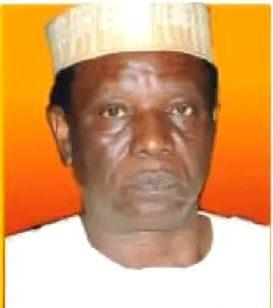
As Nigeria approaches its 2026 elections, the debate over party primaries is intensifying, echoing historical sentiments articulated by leaders like Professor Jerry Gana during the military regime of Ibrahim Babangida. The term "monkey-counting" has emerged to describe the perceived lack of genuine electoral processes, causing concern among citizens and political analysts alike about the integrity of upcoming primaries.
Recent developments indicate a growing push for reforms aimed at enhancing transparency and accountability within party structures. Stakeholders argue that without such reforms, the elections risk being a mere façade. "We cannot afford to repeat the mistakes of the past; our democracy deserves better," stated Dr. Amina Abubakar, a political analyst. This sentiment resonates across various civil society groups advocating for fairer practices.
Looking ahead, the Nigerian electorate is poised to demand more from political parties, pushing for a more participatory and transparent primary process. The coming months will be crucial in determining whether the nation can move beyond historical grievances and foster a political environment that reflects the will and aspirations of its citizens.