In Nigeria, the alarming surge in kidnappings has transformed ransom payments into a grim line item in family budgets, as political leaders grapple with a crisis spiraling out of control. Recent reports indicate that entire villages are being displaced, with families living in constant fear of midnight calls demanding exorbitant ransoms for their loved ones. This situation highlights a failure in governance, as resources divert from essential services to address the growing menace of abductions.
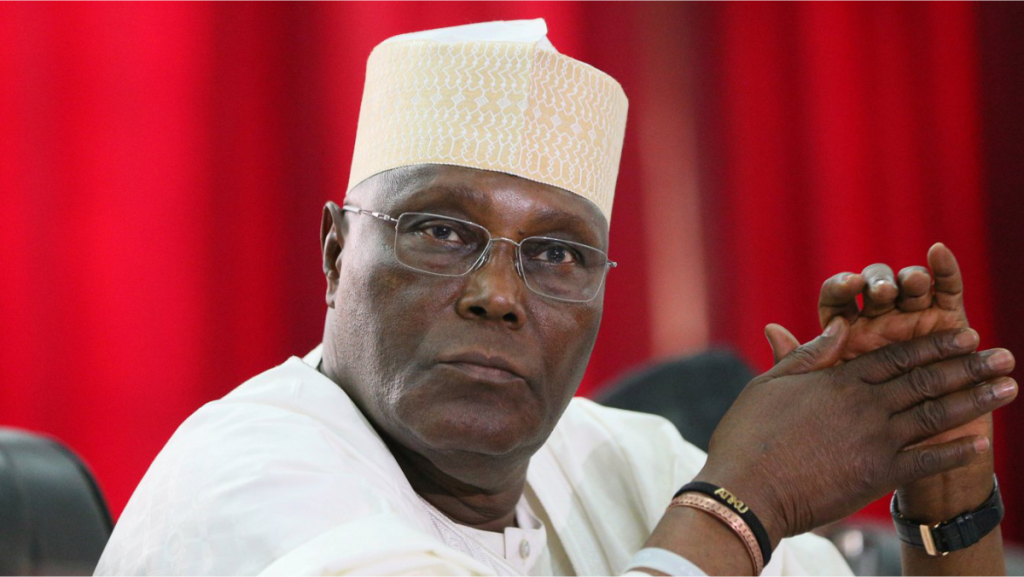
Former Vice President Atiku Abubakar expressed grave concern, stating, "Families go to bed dreading midnight calls about abducted loved ones, while those in power are focused on image management." His words resonate with the sentiments of many Nigerians who feel abandoned by the government. The lack of an effective strategy to combat this crisis raises questions about leadership accountability and the prioritization of public safety.
As Nigeria heads into the 2027 elections, this issue will likely shape political discourse. Candidates must address the rampant insecurity that has disrupted lives and livelihoods, or risk losing public trust in an already fragile system. The coming months will be critical in determining how leaders respond to this burgeoning humanitarian challenge.
