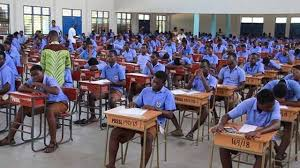
The proposed privatization of Federal Unity Colleges in Nigeria has encountered significant backlash from the Parents-Teachers Associations (PTAs) as they urge the Federal Government to reconsider the move. This proposal, aimed at improving efficiency and funding, has raised concerns about accessibility to quality education for lower-income families.
Zonal Chairmen of the PTAs argue that privatization poses a threat to affordable quality education, which has been a hallmark of these institutions since their inception. “We must ensure that education remains a right for all, not a privilege for a few,” stated Adeola Ogunleye, the National PTA Chairman. This sentiment reflects widespread anxiety that privatization could lead to increased fees, undermining the foundational goal of providing equitable education.
As the debate unfolds, the government faces pressure to balance financial sustainability with its commitment to accessible education. Stakeholders are calling for a more inclusive dialogue to explore alternatives that can enhance educational quality without compromising affordability. The outcome of this situation could significantly shape the future of public education in Nigeria, making it imperative for the government to tread carefully in its approach.