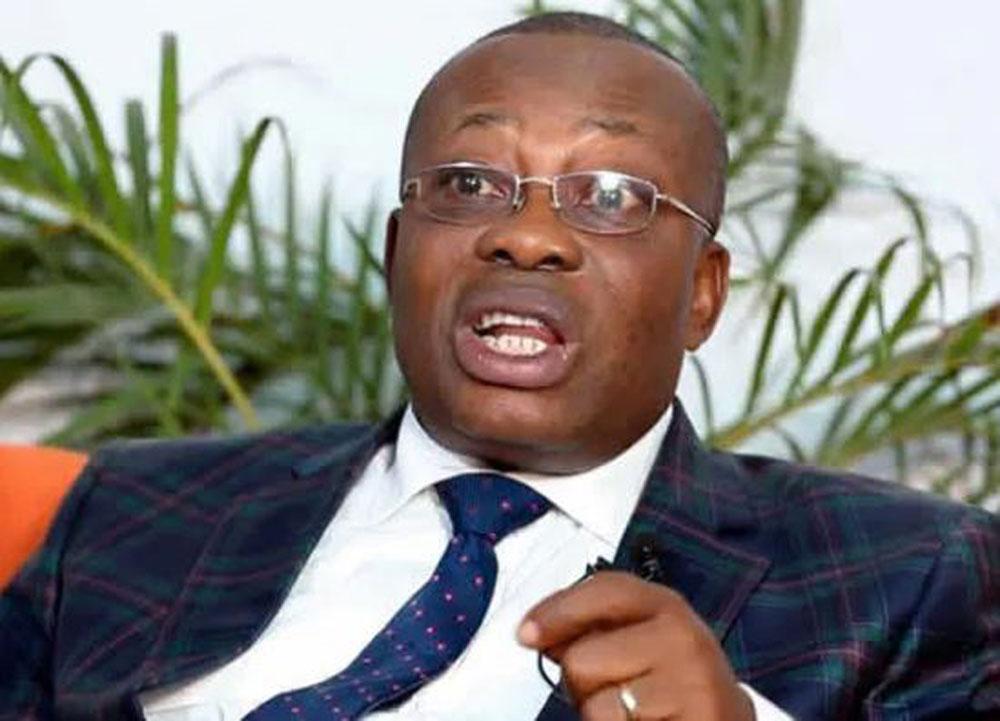
The opposition to the establishment of state police in Nigeria is intensifying, with the Peoples Redemption Party (PRP) raising alarms about the potential implications for governance under President Bola Tinubu. The party argues that the proposal reflects a deeper agenda tied to the administration’s credibility, questioning the motives behind such a significant shift in policing structure.
In a recent statement, PRP National Chairman Falalu Bello expressed concerns, stating, “The introduction of state police could lead to political abuse and a breakdown of order, especially in a system where accountability is already in question.” This sentiment echoes widespread fears that state police could serve as tools for political repression rather than ensuring safety and security.
The PRP’s stance mirrors broader anxieties regarding the centralization of power and the potential erosion of democratic principles. As discussions on state police continue, the implications for Nigeria's political landscape remain uncertain. Stakeholders will need to address these concerns transparently to foster trust and ensure that any reform serves the public interest rather than political ambitions. The unfolding narrative will be crucial in shaping Nigeria's path towards effective governance and accountability.