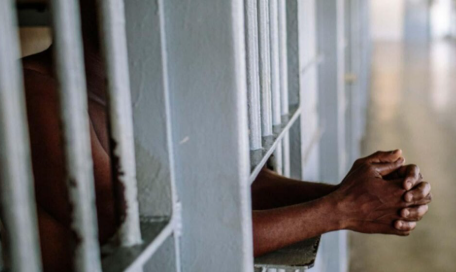
Prison congestion in the country has reached alarming levels, prompting scrutiny of judges and prosecuting agencies over their bail practices. With the prison population surging, many argue that stringent bail conditions contribute significantly to this crisis, leaving many awaiting trial in overcrowded facilities. Critics emphasize that these unjust conditions disproportionately affect vulnerable populations and undermine the justice system's integrity.
“The current bail system is failing us. It is not just about punishment, but ensuring that justice is served fairly,” stated Justice Adaobi Nwosu, a prominent legal advocate. This sentiment echoes growing frustration among legal experts and human rights organizations advocating for reform. As the backlog of cases continues to swell, the pressure mounts on judges to reassess bail conditions and prioritize alternatives that uphold the presumption of innocence.
Looking ahead, the call for judicial reform is becoming increasingly urgent. Stakeholders are urging a collaborative approach, where judges, lawmakers, and civil society work together to implement more equitable bail practices. Without immediate action, the cycle of overcrowding and delayed justice will persist, complicating the already fragile state of the justice system.