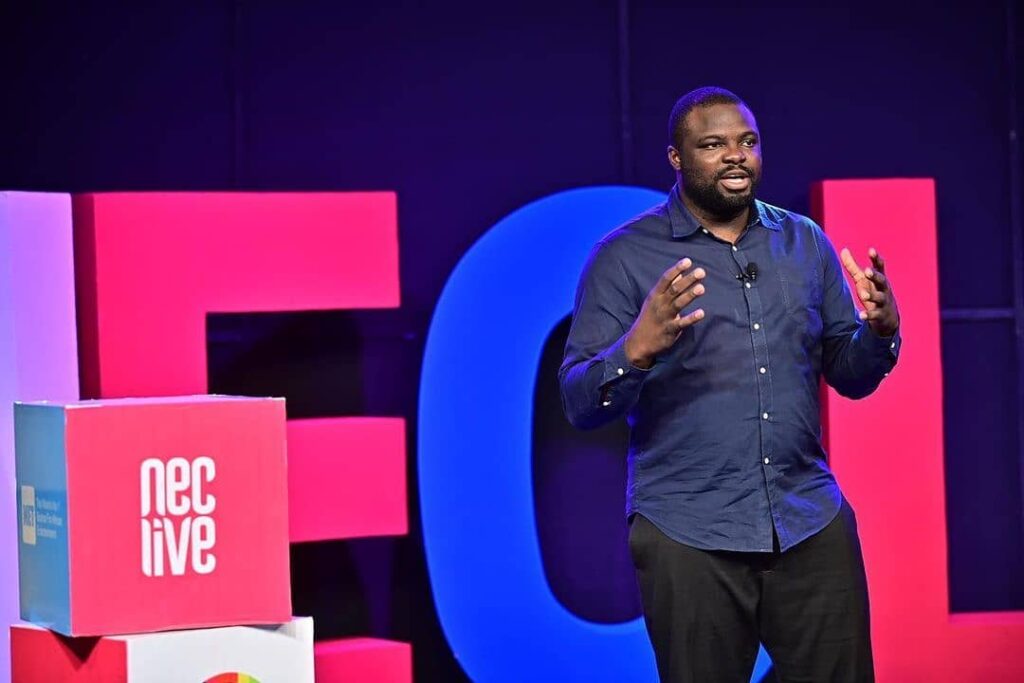
In a recent statement, Flutterwave co-founder Iyinoluwa Aboyeji highlighted a critical governance challenge in Nigeria: the increasing isolation of its presidency. This concern comes amid a backdrop of economic struggles, social unrest, and heightened expectations for political leadership. Aboyeji emphasized that a disconnect between the presidency and the populace undermines effective governance, stating, "Without engagement and collaboration, the government risks becoming out of touch with the realities faced by its citizens."
As Nigeria grapples with issues such as inflation, unemployment, and security threats, the need for an inclusive governance approach becomes more pressing. The presidency's detachment from various stakeholders, including civil society and the private sector, threatens to exacerbate existing challenges and foster public disillusionment. This isolation risks stifling innovation and economic growth, particularly in a dynamic tech landscape where collaboration is key.
Looking ahead, Nigeria's leaders must prioritize engagement and rebuild trust with citizens to navigate these turbulent times. By fostering dialogue and inclusivity, the administration can create a more resilient governance framework that addresses the needs and aspirations of the Nigerian populace.
