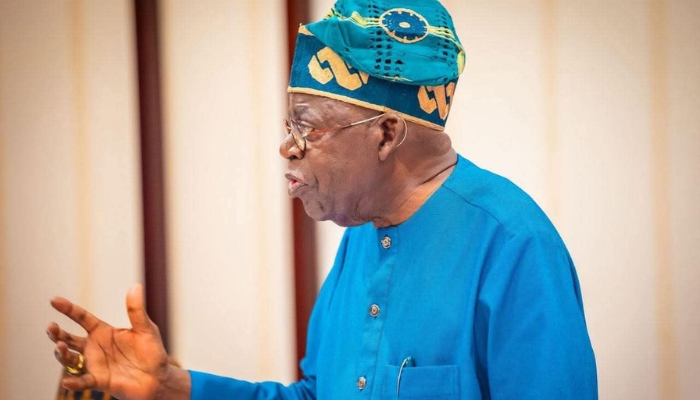
The ongoing political discourse in Nigeria intensified recently as the Presidency refuted claims that President Bola Tinubu pledged 24-hour electricity during his 2023 campaign. This denial comes in response to a call from Peter Obi, the former governor of Anambra State, urging Tinubu to resign over perceived unfulfilled promises, particularly regarding electricity supply, which remains a critical issue in the country.
The Presidency characterized Obi's remarks as “political theatrics” and emphasized that Tinubu’s campaign was focused on broader energy reforms rather than specific guarantees. “Our commitment is to improve the power sector, but it is disingenuous to suggest we made a specific promise of uninterrupted supply,” stated Femi Adesina, Special Adviser to the President on Media and Publicity. Such statements highlight the complex realities of Nigeria's energy challenges, where decades of mismanagement have hindered progress.
As the nation prepares for the upcoming elections, these exchanges may shape voter perceptions. The debate over electricity provision underscores the urgency for tangible solutions, with citizens increasingly demanding accountability from their leaders amid ongoing power crises.
