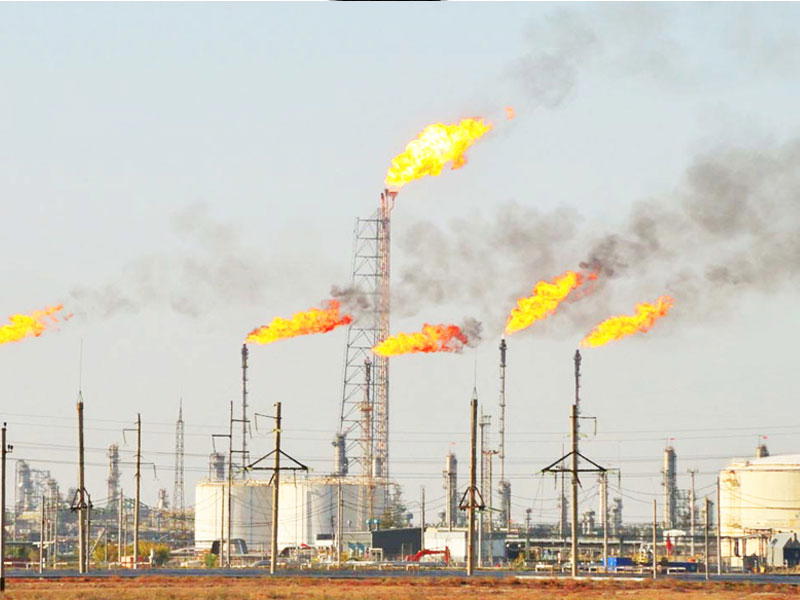
Nigeria's ambition to transition into a gas-driven economy by 2030 is increasingly jeopardized by significant energy losses due to gas flaring, with an alarming 3,100 gigawatt-hours (GWh) of electricity wasted. This situation has sparked a contentious debate between the Nigerian Upstream Petroleum Regulatory Commission (NUPRC) and the National Oil Spill Detection and Response Agency (NOSDRA) over the true volume of gas flaring and its environmental implications.
The country’s failure to harness its gas resources effectively hampers both energy security and economic growth, illustrating a disconnect between regulatory bodies. "We need to align our efforts and data to ensure accountability in gas management," stated Engr. Farouk Ahmed, Chief Executive of NUPRC. His remarks highlight the urgency for cohesive strategies as Nigeria seeks to leverage its vast gas reserves for sustainable development.
Looking ahead, the government must reconcile these discrepancies and implement stricter regulations on gas flaring. Without decisive action, Nigeria risks falling short of its ambitious energy goals, exacerbating the already critical power supply challenges that hinder economic progress and development across the nation.