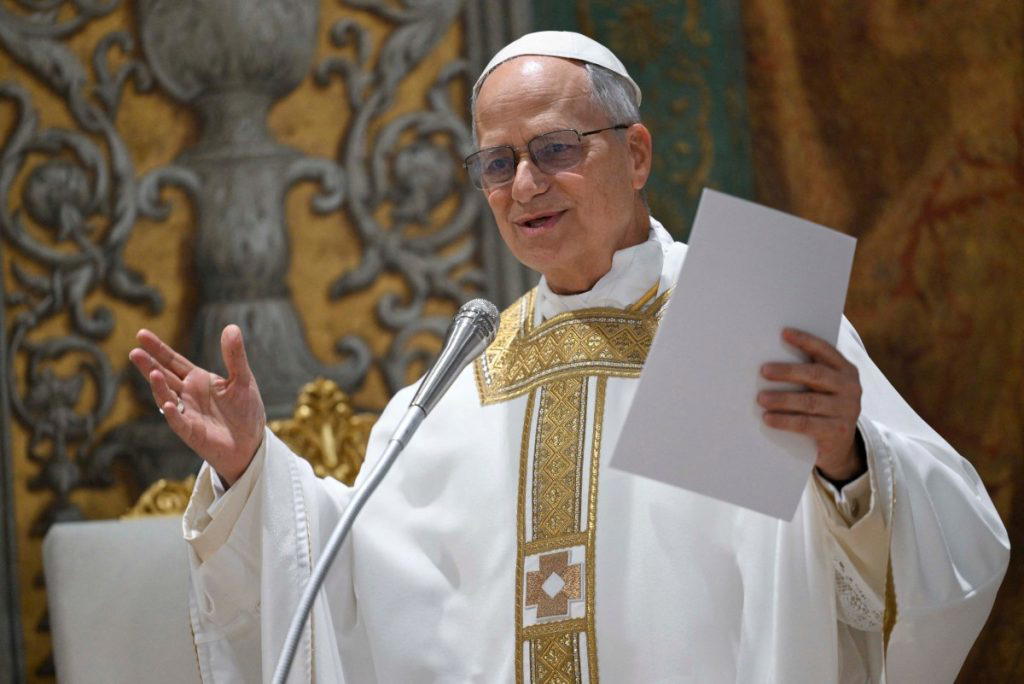
Pope Leo XIV's recent apology for the Catholic Church's historical failure to condemn slavery marks a significant turning point in the institution's acknowledgment of its past. During a speech on May 25, 2026, the Pope described slavery as "a wound in Christian memory," highlighting the moral imperative for the Church to confront its legacy. This acknowledgment comes amid a growing global movement advocating for reparative justice and recognition of historical injustices.
The Catholic Church's inaction on slavery has long drawn criticism, particularly from marginalized communities. The Pope's apology reflects a broader trend within religious institutions to reconcile with their pasts. “This apology is a step towards healing,” commented Dr. Maria Gonzalez, an expert in religious studies. “It demonstrates the Church's willingness to engage with difficult truths.”
Looking ahead, this moment could catalyze further discussions within the Church about its role in social justice and reconciliation. The Vatican may now be positioned to take a more active stance in contemporary issues related to human rights, potentially reshaping its influence and relationship with both believers and the wider society.