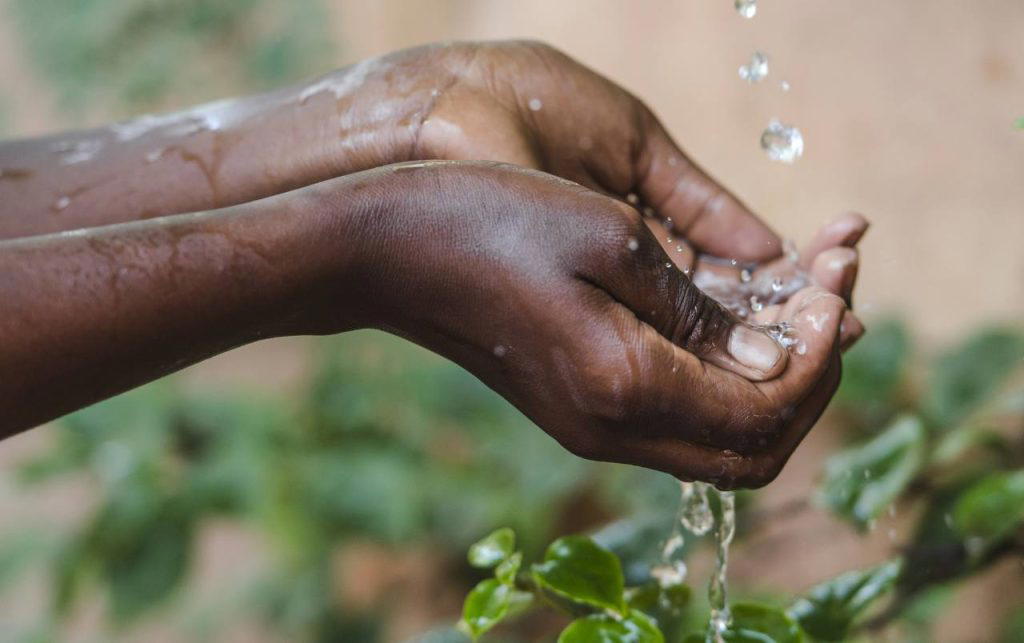
Access to clean water remains a critical challenge in Nigeria, with civil society organizations and farmers highlighting the dire consequences for millions. The lack of reliable water sources has led to severe health issues and increased mortality, particularly in rural communities. Recent reports indicate that inadequate infrastructure and climate change have exacerbated the crisis, leaving many to rely on contaminated sources.
"As we lose lives daily due to waterborne diseases, it is clear that access to clean water is a fundamental human right that we are being denied," stated Amina Yusuf, coordinator of the Nigerian Water Advocacy Network. This sentiment reflects a growing frustration among citizens who feel neglected by government efforts to address the crisis.
With the population projected to increase and climate variability intensifying, the urgency for comprehensive water management strategies is paramount. Stakeholders are calling for immediate action, including investment in sustainable water systems and policies that promote conservation and equitable distribution. The future health and prosperity of Nigeria hinge on addressing this urgent issue, as the adage goes, "water no get enemy" — a reminder of its vital role in sustaining life.