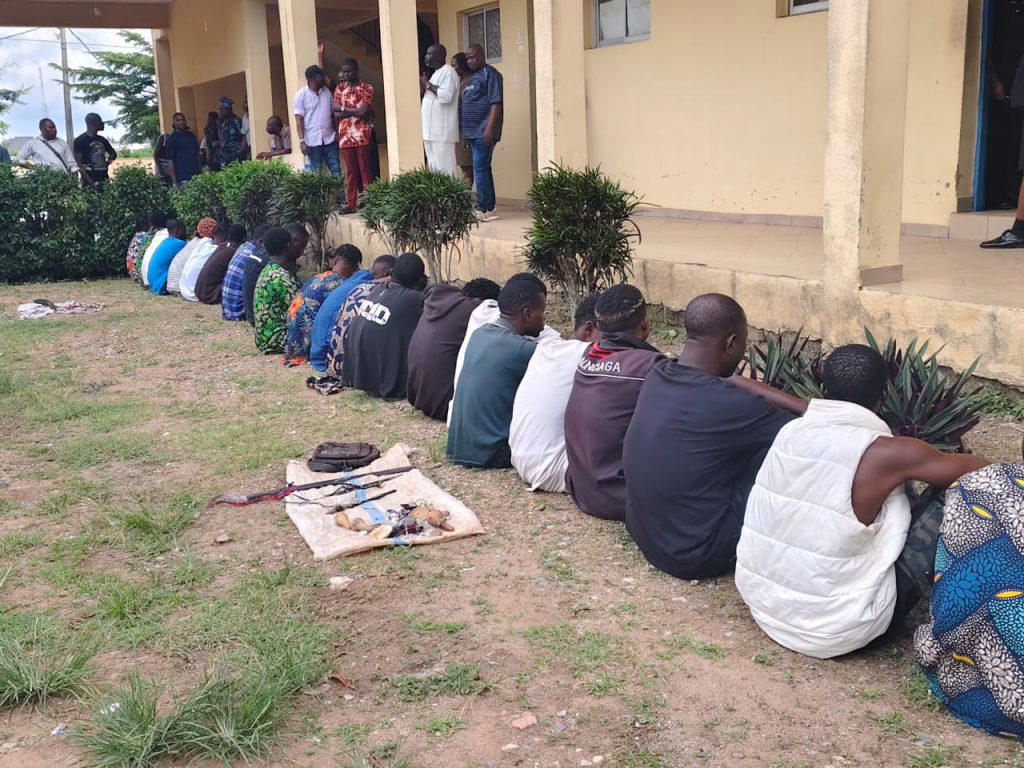
The recent arrest of Kareem Saheed in Osun State highlights the perilous intersection of politics and violence in Nigeria, following the tragic murder of 14-year-old Olapade Ezekiel during a political clash. The incident, which occurred in Ilobu, Irepodun Local Government Area, underscores the volatility of the region as political tensions escalate ahead of upcoming elections.
Saheed, known locally as "Tanfiani," has denied any involvement in the crime, claiming he is a victim of a political frame-up. This assertion raises questions about the integrity of investigations amid a backdrop of increasing political rivalry. The police have emphasized their commitment to a thorough investigation, with spokesperson Yemisi Opalola stating, “We will ensure justice is served to prevent further escalation of violence.”
As Nigeria approaches a crucial electoral period, the implications of such violent incidents could resonate beyond local communities, potentially impacting voter turnout and public trust in the electoral process. The challenge remains for authorities to effectively address political violence while fostering a climate conducive to peaceful elections. The need for accountability is paramount to restore faith in governance and ensure community safety.