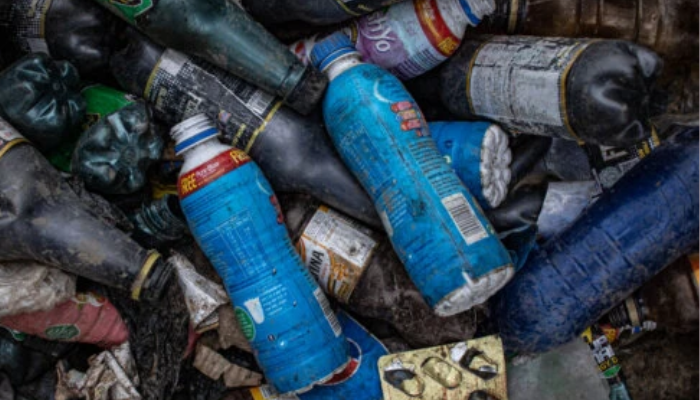
Nigeria's urgent struggle against environmental degradation highlights the critical need for a plastic ban, but the economic implications are complex. With urban flooding exacerbated by clogged drainage systems and rampant plastic pollution, the government has proposed legislation to reduce plastic waste. This initiative is crucial for safeguarding public health and restoring ecological balance, yet it raises concerns about its potential impact on local businesses dependent on plastic products.
Stakeholders are divided on the proposed ban's timing and execution. "We must protect our environment, but we also need to consider the livelihoods at stake," says Chika Obinna, an environmental economist. Balancing environmental goals with economic realities is essential to ensure that small businesses are not unduly burdened.
As Nigeria confronts this dilemma, the government must engage in comprehensive dialogue with industry leaders and environmental advocates. A phased approach, coupled with investment in alternative materials and recycling infrastructure, could provide a viable path forward. Ultimately, Nigeria's commitment to environmental sustainability must harmonize with its economic growth aspirations, paving the way for a greener, more resilient future.
