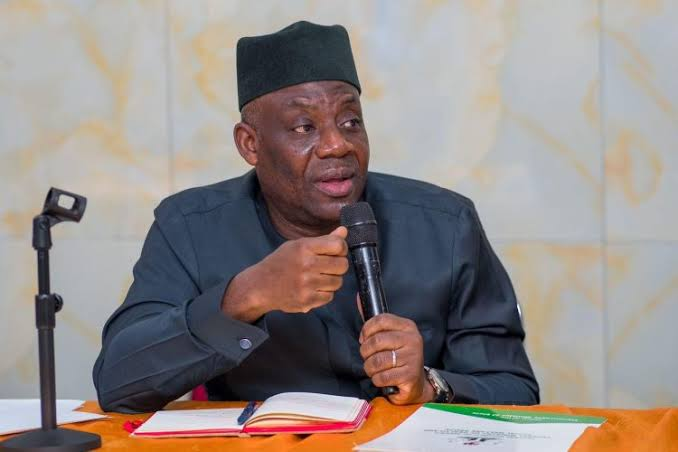
The recent proposal by Governor Alausa to abolish the Junior Secondary School (JSS) and Senior Secondary School (SSS) education system has sparked intense debate, highlighting fundamental issues within Nigeria's educational landscape. While the government's focus on reducing the staggering number of out-of-school children is commendable, critics argue that this approach overlooks the pressing need to enhance educational quality.
Educational stakeholders, including Dr. Nkechi Okwuosa, a prominent education reform advocate, expressed concern: "Abolishing existing structures without a robust alternative risks further marginalizing the very children we aim to support." This sentiment reflects a broader anxiety that simply increasing access does not equate to effective learning outcomes. Critics emphasize that systemic reforms must prioritize both accessibility and educational standards to create a sustainable future for Nigeria’s youth.
Looking ahead, the conversation surrounding Alausa's proposal could serve as a catalyst for a more comprehensive dialogue on educational reform. It is essential for policymakers to balance quantity with quality, ensuring that every child not only attends school but also receives an education that equips them for the challenges of the future.

