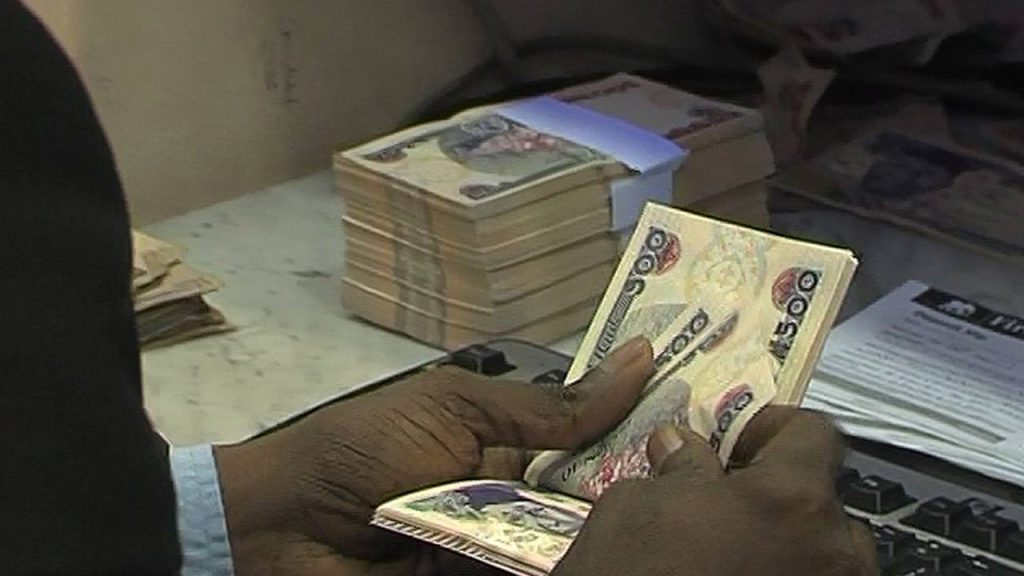
The recent court ruling granting former Kaduna State Governor Nasir El-Rufai bail of N100 million has sparked significant debate over legal accountability in Nigeria. The court's decision, which also included seizing his passport, follows allegations of phone tapping, raising concerns about privacy rights and political ethics. This case highlights the intersection of legal processes and political figures in a nation grappling with governance issues.
The court stipulated that El-Rufai must submit a verification letter from his surety's department, alongside a tax clearance certificate from the past six months, underscoring the judiciary's cautious approach. Legal analyst Dr. Chika Nwosu remarked, "This ruling reflects the judiciary's attempt to balance public interest with individual rights amidst political tensions."
As El-Rufai navigates this legal challenge, the implications extend beyond his personal stakes. The case could set a precedent for how political figures are treated under the law in Nigeria. Observers will watch closely to see if greater accountability emerges, which could reshape public trust in governance and judicial integrity.