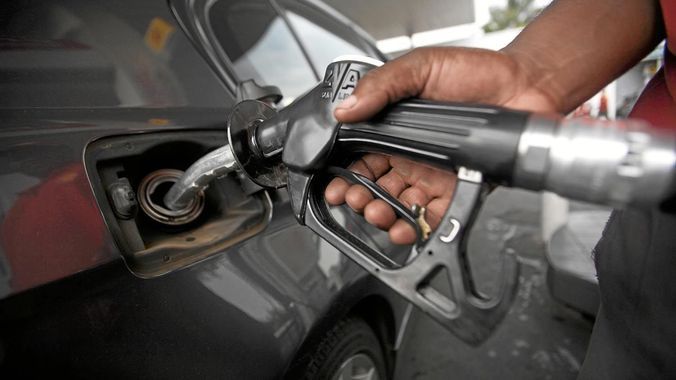
In a stark reflection of Nigeria's ongoing economic challenges, the National Bureau of Statistics (NBS) has reported a significant rise in petrol prices, now averaging N1,532.93 per litre in April, up from N1,288.54 in March. This increase underscores the persistent inflationary pressures facing consumers and businesses alike, further complicating an already strained economic environment.
The surge in fuel prices can be attributed to a combination of global oil market fluctuations and local currency depreciation. Stakeholders are increasingly concerned about the broader implications for transportation costs and food prices. "This price hike will inevitably lead to increased costs of living for ordinary Nigerians," warned Dr. Adetokunbo Adeyemi, an economist at the Nigerian Economic Institute.
As the government grapples with these rising costs, the prospect of further economic instability looms large. With many households already struggling, there is an urgent need for policy interventions to stabilize fuel prices and mitigate the impact on vulnerable populations. The coming months will be critical in determining how effectively the administration can navigate these economic headwinds.