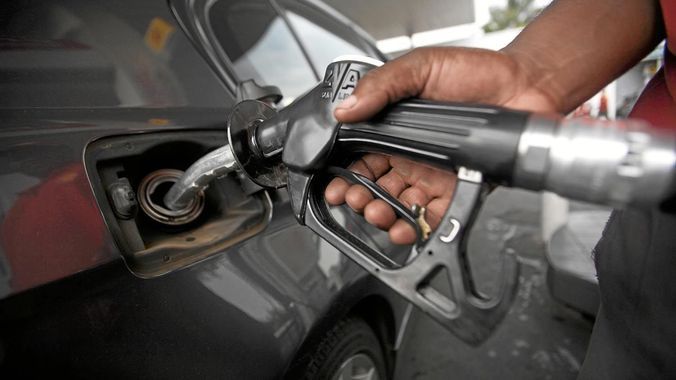
Nigeria's petrol consumption surged by 10.8% in April 2026, reaching 52.4 million litres, defying the trend of rising pump prices that typically curtail demand. This noteworthy uptick in fuel use highlights the resilience of Nigeria's economy and an increasing reliance on petrol as a primary energy source, despite ongoing inflationary pressures.
The rise in consumption can be attributed to several factors, including a growing population, heightened economic activities, and a lack of viable alternatives. This demand, however, poses challenges for the government, which is grappling with the complexities of subsidy removal and fluctuating global oil prices. According to Mele Kyari, Group Managing Director of the Nigerian National Petroleum Corporation, “Our commitment is to ensure that supply meets this rising demand while navigating the financial implications of increased consumption.”
Looking ahead, this trend raises critical questions about sustainability and energy policy in Nigeria. As the government seeks to stabilize fuel prices and boost local production, strategic investments in alternative energy sources will be essential to mitigate dependence on petrol and enhance energy security.