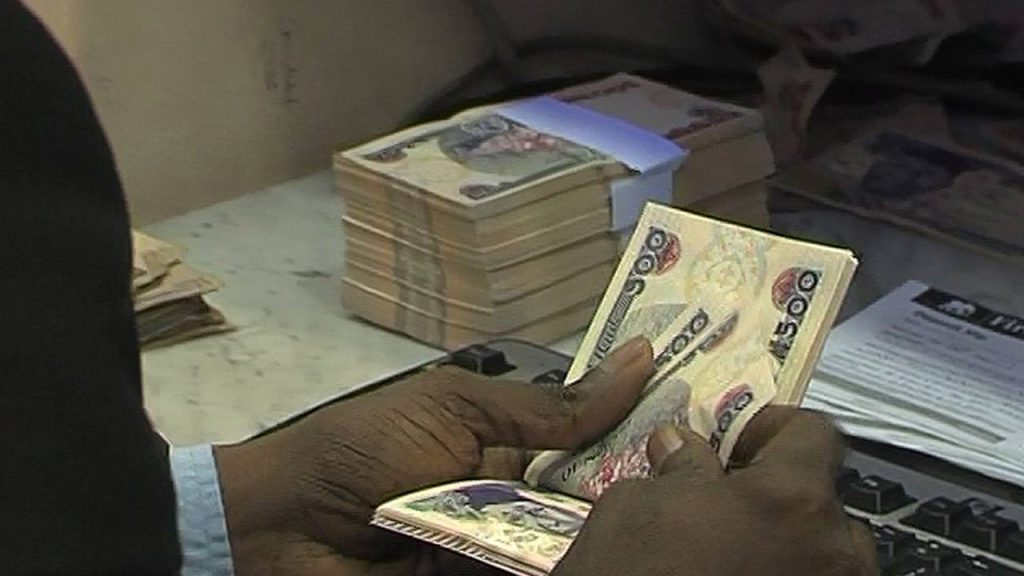
As Nigeria grapples with soaring inflation and economic challenges, Peter Obi has emerged as a vocal advocate for a comprehensive review of the nation's wage structure. On May 1, 2026, Obi emphasized that the current wage levels are inadequate for workers facing rising living costs, calling for urgent economic reforms to ensure fair compensation. This initiative arises amid ongoing debates about the effectiveness of existing economic policies and the need for a more sustainable growth model.
Obi's stance reflects a growing concern among labor leaders and economists. "We must address the disparity between wages and the cost of living," stated Abubakar Mohammed, President of the National Labor Congress. "Failure to act will threaten the stability of our workforce and economy." The call for reform is not merely a response to inflation but also a recognition of the broader structural issues plaguing Nigeria's economy, including unemployment and underemployment.
Looking ahead, if Obi's proposals gain traction, they could lead to significant shifts in Nigeria's economic policy landscape, sparking debates on the balance between wage increases and overall economic sustainability. The outcome of this advocacy may shape the future of labor relations in the country.