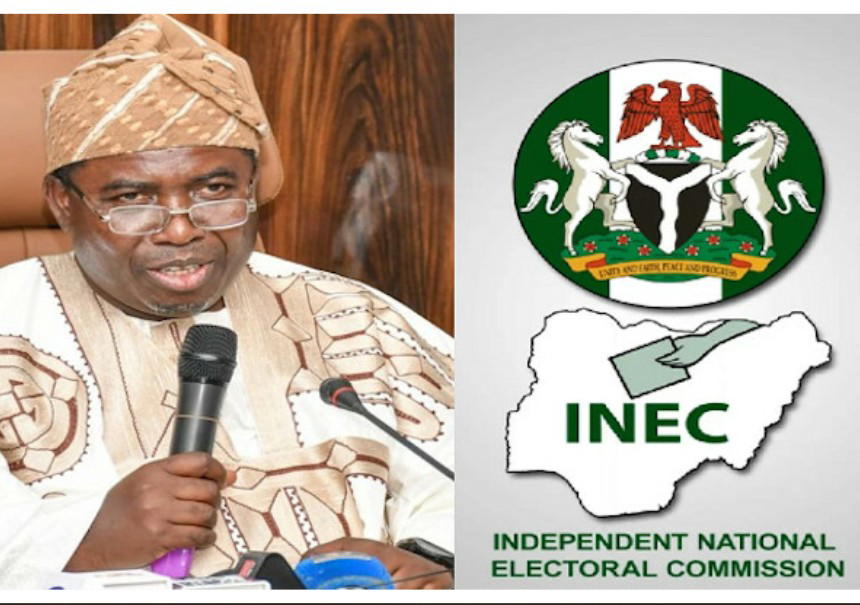
As Nigeria approaches its 2027 presidential election, political dynamics are shifting rapidly, with implications for stability and governance. The election management body has yet to set a definitive campaign start date, creating uncertainty among candidates and voters alike. Notably, internal party conflicts and potential alliances are shaping the landscape, as key players position themselves for an increasingly competitive race.
Recent developments have seen established parties grappling with dissent and the emergence of new political movements. Waziri Adio, a prominent political analyst, remarked, “The coming months will be critical; candidates must articulate clear visions to resonate with a populace weary of the status quo.” Voter sentiment is increasingly influenced by pressing issues such as security, economic hardship, and youth unemployment, prompting candidates to rethink traditional platforms.
As the election date draws near, the interplay of these factors will be crucial. Political actors must navigate the complexities of coalition-building and public expectations, making the next few months essential in determining who will lead Nigeria into the next decade. The potential for both progress and turmoil looms large, setting the stage for a pivotal electoral showdown.