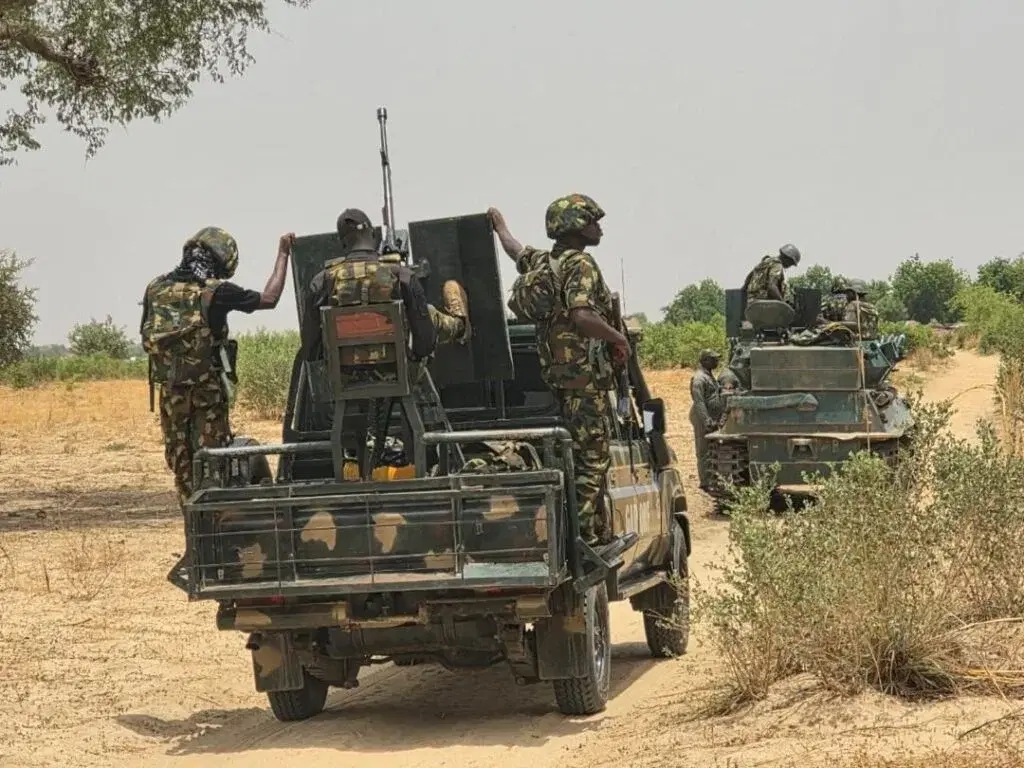
A recent report highlights a troubling shift in global terrorism, revealing that over 80% of ISIS operations are now concentrated in West Africa and the Sahel, marking a significant escalation in the region's security challenges. This development underscores the growing influence of militant groups in an area already grappling with political instability, poverty, and weak governance.
The report indicates that ISIS affiliates have capitalized on local grievances, expanding their foothold through violent insurgencies and exploiting existing conflicts. "The rise of ISIS in West Africa is a dire warning that we must address the root causes of extremism," stated Major General Ibrahim Traoré, a senior military official in Burkina Faso. This sentiment reflects a growing recognition among regional leaders that military action alone will not suffice.
As global attention shifts towards this emerging epicenter of terrorism, the international community faces an urgent need to bolster support for West African nations. Without a comprehensive approach that includes socio-economic development and political reform, the threat posed by ISIS could further destabilize the region and spill over into broader global insecurity. The coming years will be critical in determining whether these nations can effectively counter this rising tide of extremism.