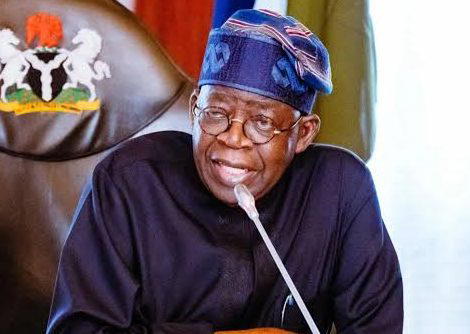
In a recent Sallah message, President Bola Ahmed Tinubu asserted that his administration's economic reforms are beginning to yield positive results, despite the initial hardships faced by Nigerians. Over the past three years, Tinubu's government has implemented a series of challenging policies aimed at stabilizing the economy, which has been grappling with inflation and currency depreciation.
Tinubu emphasized that these reforms are essential for long-term growth, stating, "The difficult decisions we made are now starting to show signs of progress for our people." This remark comes as Nigeria continues to navigate economic turbulence, with rising costs impacting everyday life. Critics have highlighted the immediate pain caused by deregulation and subsidy removal, but the administration maintains that these measures are vital for restoring fiscal health.
Looking forward, the government's commitment to transparency and accountability will be crucial in maintaining public trust. As Nigeria seeks to attract foreign investment and boost local industries, the effectiveness of these reforms will be tested. The real challenge lies in ensuring that the benefits reach the most vulnerable segments of society, which will define the success of Tinubu's economic agenda in the years ahead.

