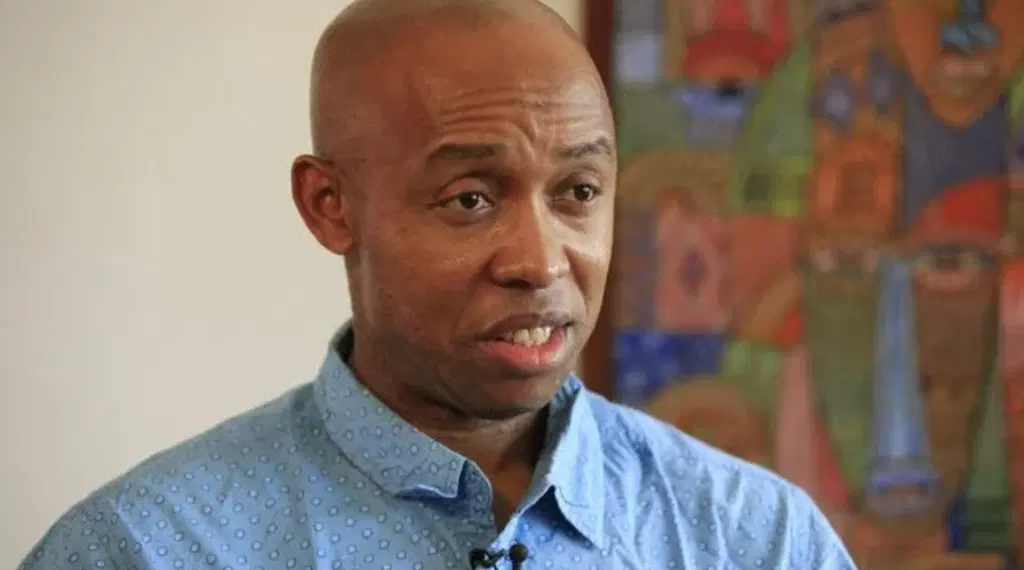
Former Benue Governor Samuel Ortom has vehemently rejected a recent report by a state commission that identified a staggering ₦139.8 billion financial discrepancy in the state's accounts from 2015 to 2023. The commission's findings, which have raised significant concerns about fiscal management, suggest potential misappropriation during Ortom’s tenure, prompting calls for accountability.
In a statement, Ortom labeled the allegations as "politically motivated" and asserted that the report lacks credibility. He emphasized, “This is a deliberate attempt to tarnish my image and distract from the real issues facing the people of Benue.” This rejection underscores the ongoing tensions in Benue's political landscape, where financial governance remains a contentious topic amidst the state's broader socio-economic challenges.
As the investigation progresses, the political ramifications are likely to deepen, potentially affecting Ortom's political future and the state’s governance. Stakeholders are keenly observing how this situation will unfold, particularly as it could influence public trust in the political establishment and shape the narrative ahead of the upcoming elections. The discourse surrounding fiscal responsibility will be pivotal in determining Benue's political climate going forward.