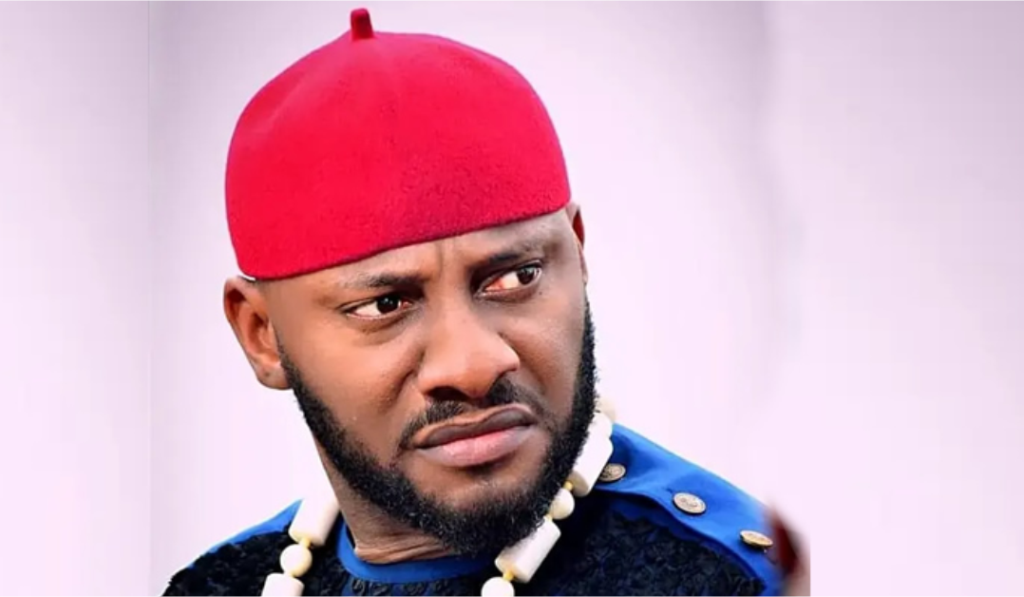
In a recent statement, Nigerian actor Yul Edochie stirred controversy by asserting that "only a weak man forgives a cheating partner." His comments, made during an interview, reflect a broader societal discourse on infidelity and emotional attachment in relationships. Edochie posits that women who cheat often do so because they have severed their emotional ties, a claim that invites scrutiny regarding gender dynamics and personal accountability.
The actor's perspective highlights a cultural narrative where male vulnerability is often stigmatized. Edochie's stance suggests that forgiveness in the face of infidelity is a sign of weakness, potentially reinforcing harmful stereotypes about masculinity and emotional resilience. Critics may argue that his views oversimplify complex relational dynamics and overlook the nuances of individual experiences in partnerships.
As discussions around fidelity and gender continue to evolve in Nigeria and beyond, Edochie's remarks could provoke deeper reflections on how society views forgiveness, trust, and emotional intimacy. With the rise of social media platforms amplifying diverse opinions, such conversations may lead to a reevaluation of traditional norms surrounding relationships, ultimately pushing for a more nuanced understanding of love and loyalty.