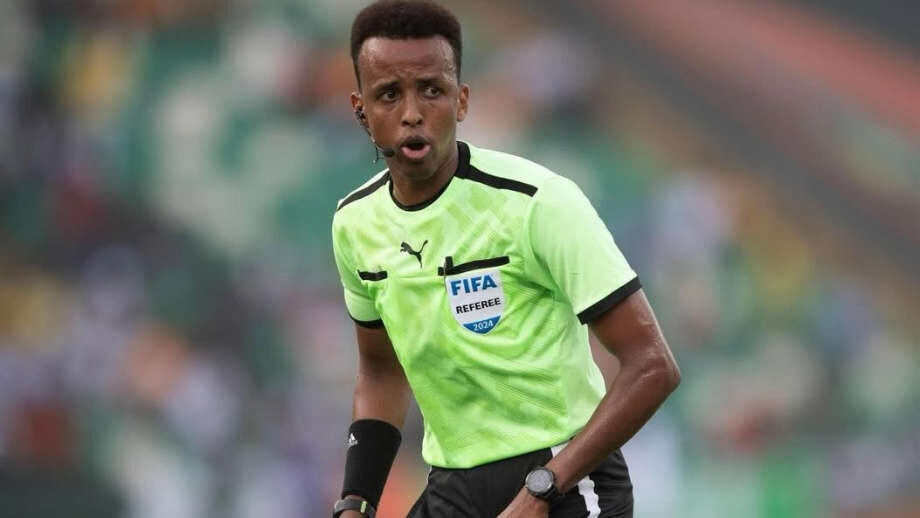
The denial of entry to Somali referee Omar Abdulkadir Artan by U.S. immigration authorities has ignited widespread outrage, highlighting the ongoing challenges within the U.S. immigration system. Artan was slated to officiate at the World Cup, a prestigious opportunity that now hangs in the balance due to bureaucratic barriers.
This incident comes amid a backdrop of increasing scrutiny on U.S. immigration policies, particularly regarding their impact on individuals from African nations. Artan's case, described as "a significant setback for representation in sports," by Ahmed Ali, a prominent member of the Somali Sports Federation, underscores the frustrations felt by many who believe that systemic issues are hindering African talent from participating on global stages.
As the World Cup approaches, discussions surrounding Artan's situation may prompt a reevaluation of immigration practices, especially in relation to athletes and cultural representatives. Advocates hope that this incident will galvanize support for reforms, ensuring that such barriers do not continue to stifle the dreams of aspiring international sports figures. The response from both the U.S. government and the global sports community will be crucial in shaping future policies.