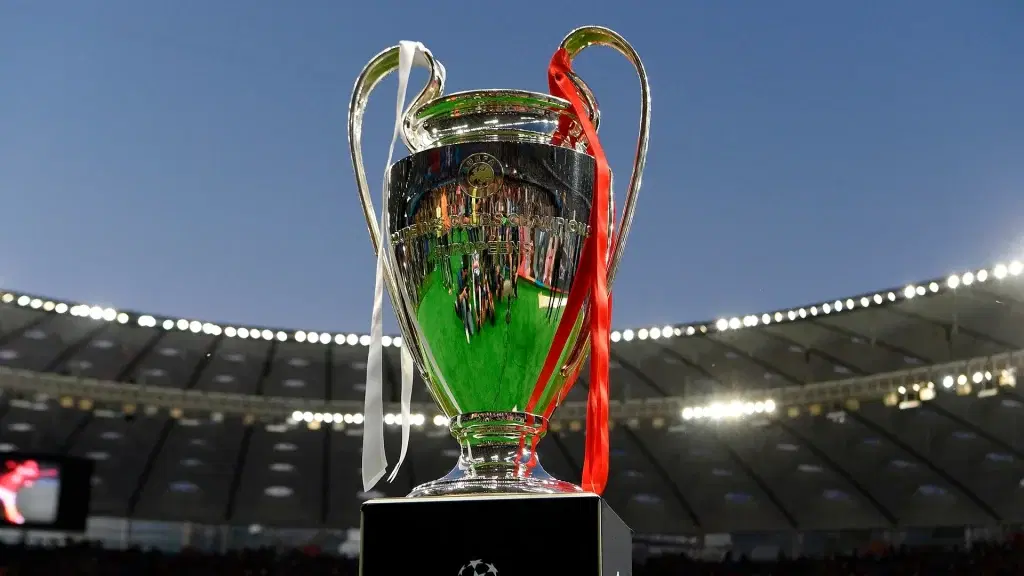
As the UEFA Champions League crowned its oldest winners, the significance of age in elite sports has taken center stage. The recent triumph of players aged 38 and 39 highlights the extraordinary longevity athletes can achieve with dedication and modern training techniques. This victory not only underscores the physical capabilities of seasoned players but also their invaluable experience in high-pressure situations.
Historically, the Champions League has been dominated by younger athletes, making this achievement a remarkable deviation. “Experience is a key factor in our success,” stated Marco Silva, the head coach of the winning team. “These players have not just skill but also the wisdom to navigate intense moments.” Their tactical discipline and mental fortitude were pivotal in securing the coveted trophy, showcasing that age can indeed be an advantage.
Looking ahead, this victory may inspire clubs to invest more in veteran players, recognizing their contributions extend beyond the pitch. As sports science advances, the narrative of aging athletes could redefine expectations, prompting a shift in how teams approach player longevity and performance in future competitions.

