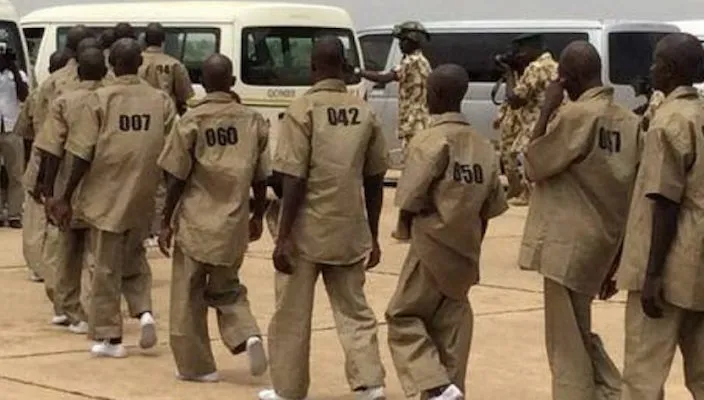
The recent killing of an ISIS commander has sparked renewed discussions on Nigeria's approach to counter-terrorism. Gbenga Olawepo-Hashim, a prominent political figure, commended this development while emphasizing the need for a more robust anti-terror strategy in the nation. He noted that while the elimination of high-profile terror leaders is significant, it must be part of a larger, coordinated effort to ensure long-term security.
Olawepo-Hashim cautioned against potential retaliatory attacks by ISIS factions, stating, “The killing might provoke a backlash, and we must be prepared to counter any escalatory moves.” His remarks underscore the precarious nature of Nigeria's security landscape, which has been marred by persistent violence from various extremist groups.
As the government evaluates its counter-terrorism policies, experts argue for a multifaceted approach that encompasses community engagement, intelligence sharing, and international collaboration. The challenge lies not only in addressing immediate threats but also in fostering stability to prevent the resurgence of extremist ideologies. Moving forward, Nigeria's strategy must adapt and evolve to outpace the tactics of these dangerous groups.