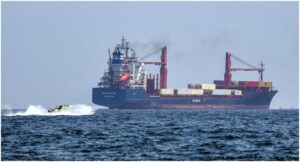
Oil prices surged by 7% on April 30, 2026, driven by escalating tensions in the Strait of Hormuz, a crucial chokepoint for global oil shipments. The uptick reflects market fears of potential blockades following warnings from U.S. President Donald Trump about stalled nuclear negotiations with Iran. As the geopolitical landscape shifts, traders are increasingly concerned about supply disruptions, impacting global economic stability.
The surge in oil prices came alongside a notable decline in stock markets, with investors reacting cautiously to the implications of heightened tensions. "The risk of confrontation in the Gulf region is real, and we are already seeing its impact on oil markets," noted Sarah Thompson, an energy analyst at Global Insights. She emphasized that such volatility could have cascading effects on consumer prices and economic growth.
Looking ahead, the interplay between geopolitical tensions and market reactions will be critical. Should negotiations with Iran fail entirely, analysts predict that oil could soar even higher, further straining economies already grappling with inflation. Investors and policymakers alike will need to navigate this complex landscape as the situation unfolds.