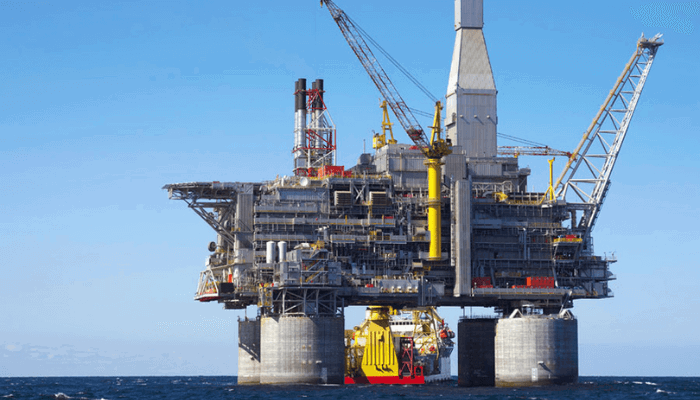
Nigeria's oil revenue fell drastically in the third quarter of 2025, highlighting the ongoing challenges facing the nation’s economy. The gross oil revenue for the quarter amounted to N4.87 trillion, a staggering N7.88 trillion short of budget targets, marking a 61.8% decline. This significant drop raises concerns about the sustainability of government funding and economic stability.
The decline in revenue can be attributed to factors such as pipeline vandalism, production cuts, and fluctuating global oil prices. Stakeholders are alarmed at the implications for public services and infrastructure, with the Nigerian National Petroleum Corporation (NNPC) Chief Executive Mele Kyari stating, "We must diversify our economy and reduce our reliance on oil, as the current trends threaten our financial viability."
Looking ahead, Nigeria faces a critical juncture. The government must implement strategic reforms to bolster the oil sector and explore alternative revenue streams. Without decisive action, the country risks further economic instability and diminished capacity to meet its developmental goals. The urgency for diversification has never been more pronounced.

