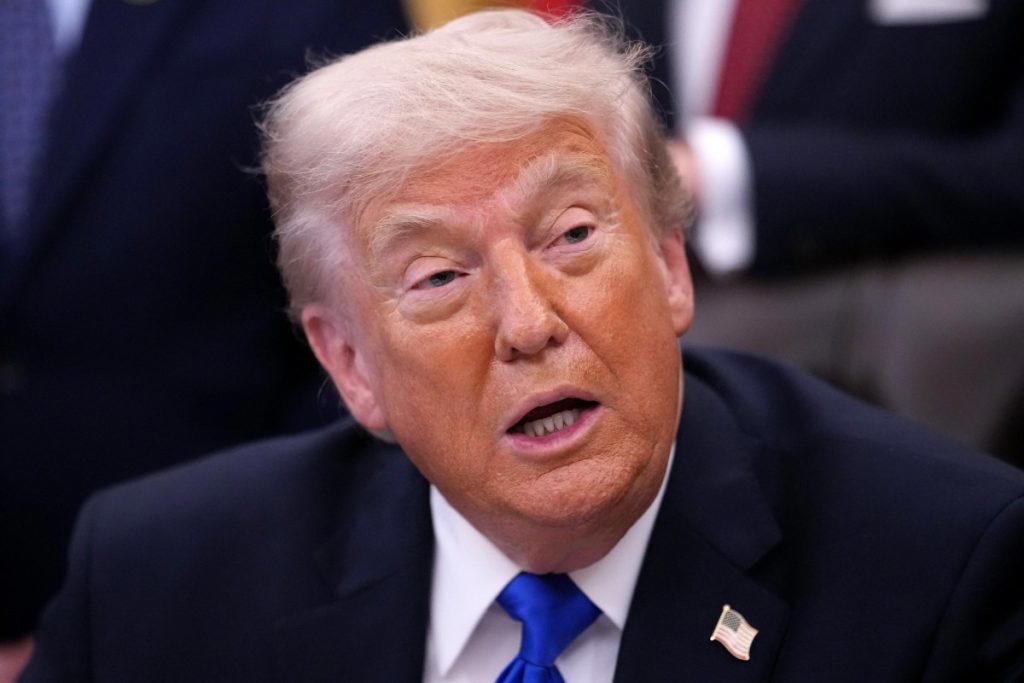
Oil prices surged following former President Donald Trump's rejection of Iran's terms regarding his latest peace proposal, raising concerns over potential escalations in the already volatile Middle East. This development heightens the risk of disruptions in oil supplies through the strategically significant Strait of Hormuz, a crucial chokepoint for global oil shipments.
In rejecting Iran's response, Trump has increased tensions that could lead to further military confrontations. Oil market analysts view this as a significant threat, with some predicting prices could rise sharply if conflict erupts. "The Strait of Hormuz is a flashpoint; any sign of instability will send shockwaves through the oil markets," warned Sarah Jones, a senior energy analyst at Global Insights.
As the geopolitical landscape shifts, market participants are closely monitoring the situation. Should negotiations falter and hostilities escalate, oil prices may not only rise but also lead to broader economic implications, affecting global energy security. Stakeholders will be keenly observing both diplomatic moves and on-the-ground developments in the region, as any further escalation could reshape the energy market outlook for years to come.