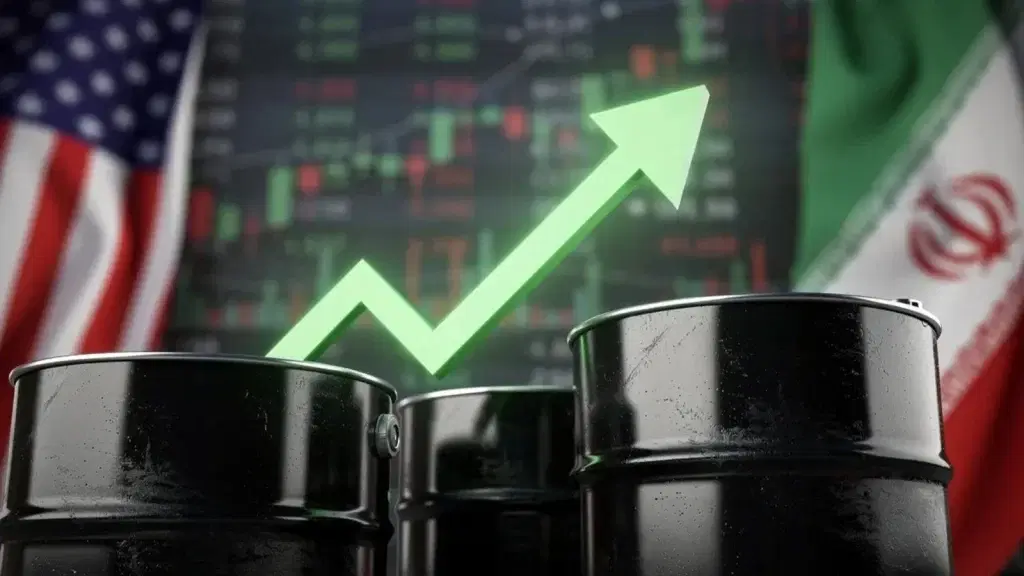
Oil prices surged on June 1, 2026, following Iran's abrupt suspension of peace talks, heightening geopolitical tensions in the Middle East. This escalation has led to fears of supply disruptions, causing crude prices to spike amid a fragile global economic recovery. The market reaction was immediate, with equities struggling to maintain gains as investors weighed the potential impact on energy security and international relations.
The backdrop to this crisis involves ongoing U.S.-Iran tensions, exacerbated by recent sanctions and military posturing. Analysts warn that a prolonged conflict could severely disrupt oil supplies, particularly given the region's pivotal role in global energy markets. "The stakes have never been higher," said Sarah Jenkins, an energy analyst at Global Insights. "If diplomatic efforts collapse entirely, we could see oil prices soar beyond current projections."
As the situation unfolds, the international community watches closely, with implications for oil-dependent economies and global inflation. If talks remain stalled, the ripple effects may extend beyond energy markets, influencing trade relations and economic stability worldwide. The coming weeks will be crucial in determining whether diplomacy can prevail over conflict.